

India has opened the application window for tariff-rate quotas (TRQs) covering 30 products under the India-Oman Comprehensive Economic Partnership Agreement (CEPA) for the financial year 2026-27.
The move gives eligible Indian importers an opportunity to access specified Omani products at preferential customs duty rates, including reduced or zero-duty treatment depending on the applicable product category and quota allocation.
The development is particularly relevant for businesses sourcing metals, petrochemicals, agricultural products and industrial raw materials from Oman.
Key Highlights
- 30 products are covered under the latest import quota allocation.
- The quotas apply under the India-Oman CEPA for FY 2026-27.
- Eligible importers can apply for allocation of tariff-rate quotas (TRQs).
- Products covered include dates, marble, copper weld wire, aluminium products and selected petrochemicals.
- Preferential tariffs can help reduce the landed cost of eligible imports.
- The measure is expected to support Indian manufacturers dependent on imported raw materials.
- Better utilisation of CEPA preferences could strengthen India-Oman trade and regional supply chains.
Which Products Are Covered?
The quota-based concessions cover products from several sectors, including agriculture, metals and petrochemicals.
Sector
Examples of Products Covered
Potential Importer Benefit
Agriculture
Dates
Preferential tariff access
Minerals & Construction
Marble
Lower import costs
Copper
Copper weld wire
Reduced input costs
Aluminium
Ingots, billets and wires
Support for manufacturing
Petrochemicals
Ethylene glycol
Lower raw-material costs
Petrochemicals
Linear alkylbenzenes
Preferential sourcing
Plastics & Polymers
LDPE
Potential reduction in landed cost
The applicable concession depends on the product, quota allocation and conditions prescribed under the CEPA/TRQ framework.
Why the Import Quota Matters for Indian Businesses
Tariff concessions can have a direct impact on the landed cost of imported raw materials.
For manufacturers, processors and distributors, lower customs duties can improve sourcing economics and potentially strengthen margins. The impact could be particularly relevant for industries that depend on aluminium, petrochemical feedstocks, polymers and other industrial inputs.
For importers, however, simply having a preferential tariff available does not guarantee the benefit. Businesses need to meet the applicable eligibility, quota allocation, documentation and customs requirements.
India-Oman CEPA and the Logistics Opportunity
The India-Oman CEPA came into force on June 1, 2026, creating a new framework for expanding bilateral trade.
For the logistics sector, increased utilisation of the agreement could generate additional demand across several parts of the supply chain:
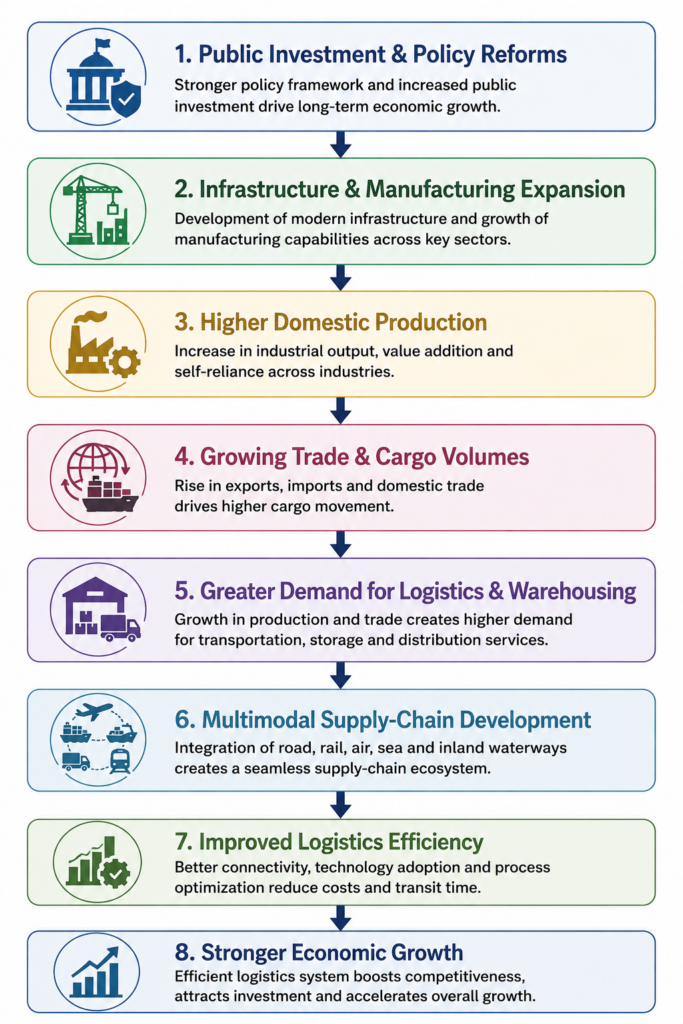
As trade volumes increase, logistics providers may see opportunities in ocean freight, customs brokerage, port handling, warehousing, inland transportation and supply-chain management.
What Importers Should Check
Businesses planning to source eligible products from Oman should pay particular attention to:
- Product classification – Confirm the correct HS code and whether the product is covered by the relevant quota.
- TRQ eligibility – Verify whether the importer meets the applicable allocation requirements.
- Quota availability – Check the quantity allocated and the validity period.
- Products covered include dates, marble, copper weld wire, aluminium products and selected petrochemicals.
- Preferential tariffs can help reduce the landed cost of eligible imports.
- The measure is expected to support Indian manufacturers dependent on imported raw materials.
- Better utilisation of CEPA preferences could strengthen India-Oman trade and regional supply chains.