


India has opened the application window for tariff-rate quotas (TRQs) covering 30 products under the India-Oman Comprehensive Economic Partnership Agreement (CEPA) for the financial year 2026-27.
The move gives eligible Indian importers an opportunity to access specified Omani products at preferential customs duty rates, including reduced or zero-duty treatment depending on the applicable product category and quota allocation.
The development is particularly relevant for businesses sourcing metals, petrochemicals, agricultural products and industrial raw materials from Oman.
Key Highlights
- 30 products are covered under the latest import quota allocation.
- The quotas apply under the India-Oman CEPA for FY 2026-27.
- Eligible importers can apply for allocation of tariff-rate quotas (TRQs).
- Products covered include dates, marble, copper weld wire, aluminium products and selected petrochemicals.
- Preferential tariffs can help reduce the landed cost of eligible imports.
- The measure is expected to support Indian manufacturers dependent on imported raw materials.
- Better utilisation of CEPA preferences could strengthen India-Oman trade and regional supply chains.
Which Products Are Covered?
The quota-based concessions cover products from several sectors, including agriculture, metals and petrochemicals.
Sector
Examples of Products Covered
Potential Importer Benefit
Agriculture
Dates
Preferential tariff access
Minerals & Construction
Marble
Lower import costs
Copper
Copper weld wire
Reduced input costs
Aluminium
Ingots, billets and wires
Support for manufacturing
Petrochemicals
Ethylene glycol
Lower raw-material costs
Petrochemicals
Linear alkylbenzenes
Preferential sourcing
Plastics & Polymers
LDPE
Potential reduction in landed cost
The applicable concession depends on the product, quota allocation and conditions prescribed under the CEPA/TRQ framework.
Why the Import Quota Matters for Indian Businesses
Tariff concessions can have a direct impact on the landed cost of imported raw materials.
For manufacturers, processors and distributors, lower customs duties can improve sourcing economics and potentially strengthen margins. The impact could be particularly relevant for industries that depend on aluminium, petrochemical feedstocks, polymers and other industrial inputs.
For importers, however, simply having a preferential tariff available does not guarantee the benefit. Businesses need to meet the applicable eligibility, quota allocation, documentation and customs requirements.
India-Oman CEPA and the Logistics Opportunity
The India-Oman CEPA came into force on June 1, 2026, creating a new framework for expanding bilateral trade.
For the logistics sector, increased utilisation of the agreement could generate additional demand across several parts of the supply chain:
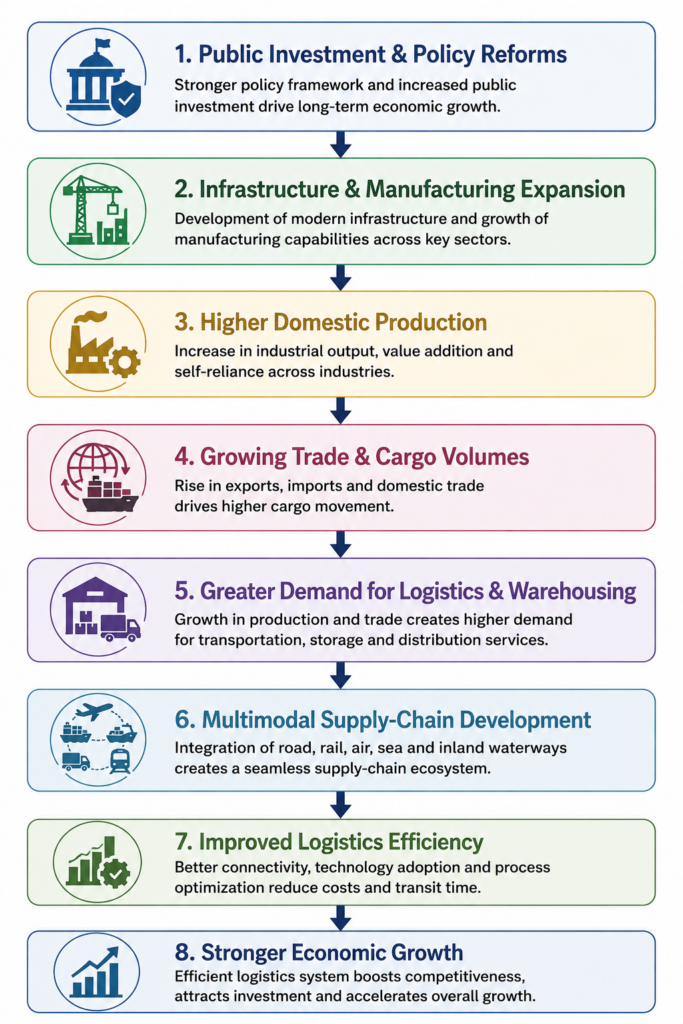
As trade volumes increase, logistics providers may see opportunities in ocean freight, customs brokerage, port handling, warehousing, inland transportation and supply-chain management.
What Importers Should Check
Businesses planning to source eligible products from Oman should pay particular attention to:
- Product classification – Confirm the correct HS code and whether the product is covered by the relevant quota.
- TRQ eligibility – Verify whether the importer meets the applicable allocation requirements.
- Quota availability – Check the quantity allocated and the validity period.
- Rules of origin – Ensure the goods meet the applicable CEPA origin requirements.
- Customs documentation – Prepare the required certificates and import documents.
- Duty calculation – Confirm the preferential rate applicable to the specific product.
- Shipment planning – Align procurement and logistics schedules with the quota validity period.
What This Means for the Logistics Industry
What This Means for the Logistics Industry
The implementation of tariff concessions can influence logistics decisions well beyond customs duty savings.
Lower import costs may encourage companies to reassess their sourcing strategies and increase procurement from Oman where commercially viable. This could affect shipping volumes, port operations, inventory planning and warehouse requirements.
For freight forwarders and customs specialists, CEPA-linked imports could also create opportunities to help customers manage origin documentation, tariff classification, quota utilisation and customs compliance.
India-Oman Trade: A Strategic Supply-Chain Link
Oman occupies an important position in India’s wider Gulf and Indian Ocean trade network. Greater use of the CEPA framework could strengthen commercial connections between the two markets while supporting diversification of sourcing channels.
For Indian manufacturers, the agreement could provide another route for securing key industrial inputs. For Omani exporters, preferential access can improve their competitiveness in the Indian market.
The result could be deeper cooperation across manufacturing, metals, petrochemicals, agriculture, logistics and related services.
Bottom Line
The opening of the India-Oman CEPA import quota window for 30 products is an important step in putting the bilateral trade agreement into practical use.
For Indian importers, the immediate priority is to understand quota eligibility, product classification, origin requirements, documentation and applicable preferential duties.
For the logistics industry, greater utilisation of the agreement could translate into new opportunities across freight forwarding, customs clearance, port handling, warehousing and inland transportation as India-Oman trade flows expand.
For businesses importing from Oman, the key question is no longer simply whether CEPA offers a tariff advantage — it is whether the available quota and compliance requirements can be effectively incorporated into their sourcing and logistics strategy.
Frequently Asked Questions
What is the India-Oman CEPA?
The India-Oman CEPA is a bilateral trade agreement designed to improve market access and strengthen economic relations between India and Oman through preferential trade arrangements.
How many products are covered under the latest import quota window?
The latest quota exercise covers 30 products for FY 2026-27.
What is a tariff-rate quota?
A tariff-rate quota, or TRQ, allows a specified quantity of a product to enter a country at a preferential tariff rate, subject to the conditions of the applicable trade agreement and quota allocation.
Which products are included?
The listed products include dates, marble, copper weld wire, aluminium ingots, billets and wires, along with selected petrochemical products such as ethylene glycol, linear alkylbenzenes and LDPE.
Will every importer automatically receive the preferential duty?
No. Importers must meet the prescribed eligibility requirements and obtain the relevant quota allocation. The applicable conditions should be verified before shipment and customs clearance.
How can the CEPA benefit Indian manufacturers?
Preferential tariffs can potentially reduce the landed cost of eligible imported raw materials and improve sourcing efficiency for industries dependent on Omani products.