How to Generate a House Airway Bill Using CargoNet Freight Software: A Step-by-Step Guide

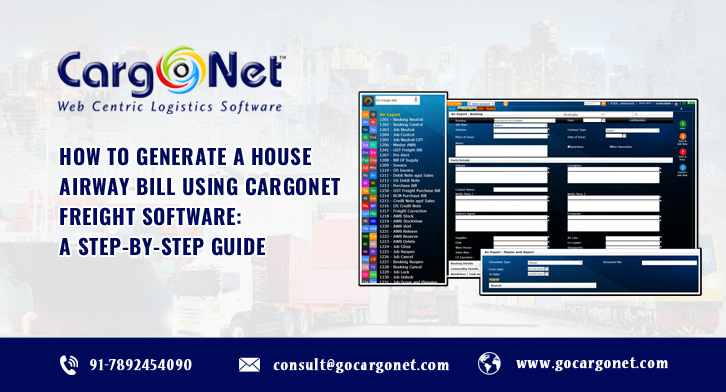
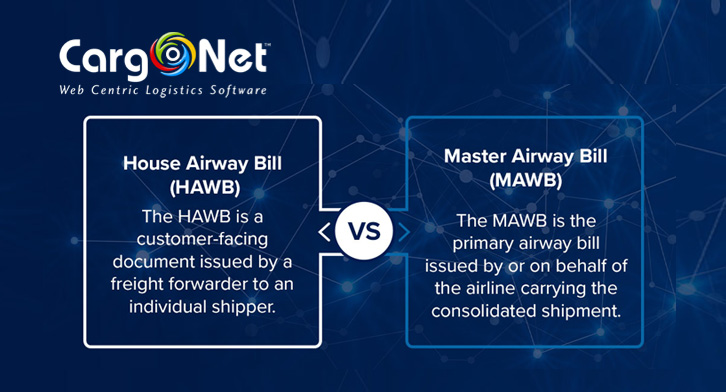
Generating a House Airway Bill (HAWB) is a critical task in the freight forwarding process. A HAWB serves as a receipt for the shipper, a contract of carriage, and a document required for customs clearance. With CargoNet advanced HAWB(House Airway Bill) software, this process is streamlined, ensuring accuracy and compliance. Here’s a comprehensive guide to help you generate a HAWB efficiently using CargoNet.

Step 1: Gather Shipment Information

Before generating the HAWB, collect all necessary shipment details:

Step 2: Log into CargoNet

Access the CargoNet platform using your credentials. Ensure your registration and initial setup are complete.

Step 3: Navigate to the Air Export Module

Find and select the Air Export module, job menu within CargoNet. This section is dedicated to inputting shipment details and generating the HAWB.

Step 4: Enter Shipper and Consignee Information

Input the shipper’s and consignee’s details:

Step 5: Input Shipment Details

Provide specific details about the shipment:

Step 6: Specify Routing Information

Input the routing details:

Step 7: Add Additional Services or Instructions

Include any additional services or specific instructions:

Step 8: Review and Verify Details

Carefully review all entered information to ensure accuracy. Mistakes can lead to shipment delays or compliance issues.

Step 9: Generate the HAWB

Once verified, use CargoNet to generate the HAWB. CargoNet will create a digital HAWB document, which you can view and print.

Step 10: Distribute the HAWB

Step 11: Track and Monitor the Shipment

Utilize CargoNet’s real-time tracking features to monitor the shipment status and keep all parties informed.

Tips for Efficient HAWB Management

Conclusion

Efficiently generating a House Airway Bill is essential for smooth freight forwarding operations. CargoNet advanced HAWB (House Airway Bill)software simplifies this process, ensuring that all details are accurate and compliant with international regulations. By following the steps outlined above, you can leverage CargoNet Freight forwarding Software features to streamline your HAWB (House Airway bill)generation, improving both accuracy and efficiency. Get started with CargoNet today and take your freight forwarding operations to the next level.

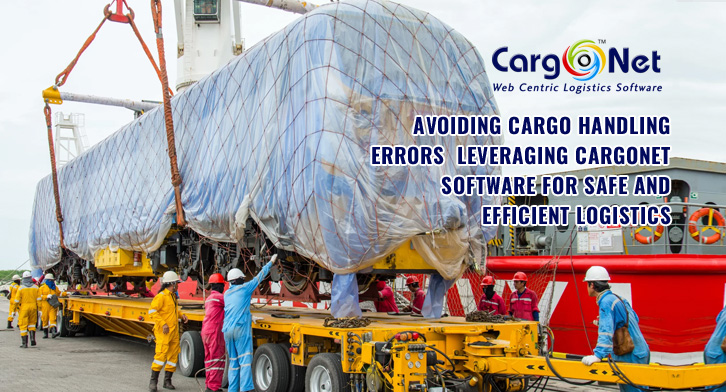
Avoiding Cargo Handling Errors: Leveraging CargoNet Software for Safe and Efficient Logistics

In logistics, cargo handling errors can disrupt the supply chain, leading to damaged goods, increased costs, and safety hazards. With the advent of sophisticated technologies, companies can now mitigate these risks more effectively. CargoNet Logistics and Freight Forwarding Software, designed to streamline and enhance cargo handling processes. This blog explores the common pitfalls in cargo handling, their impacts, and how CargoNet can be a game-changer in preventing these errors.

Understanding Cargo Handling Errors

Cargo handling errors are mistakes that occur during the loading, unloading, or transportation of goods. These errors can arise from human oversight, equipment malfunctions, or procedural missteps and can lead to significant disruptions. Here are some typical examples:

Root Causes of Cargo Handling Errors

To effectively address cargo handling errors, it’s crucial to understand their underlying causes. Common factors include:

Insufficient Training

Employees lacking proper training in handling techniques and safety procedures are more likely to make mistakes.

Poor Equipment Maintenance

Neglecting regular maintenance of handling equipment can lead to unexpected failures that disrupt operations.

Inadequate Packaging Practices

Failing to follow proper packaging guidelines increases the risk of damage, particularly for fragile or hazardous goods.

Communication Gaps

Poor communication among supply chain stakeholders can result in mislabeling, incorrect loading, or routing errors.

Overloading

Overloading cargo can compromise the safety and integrity of both the goods and the transport vehicle.

Mismanagement of Technology

Inefficient use of logistics technology or outdated systems can lead to tracking errors and inefficient handling processes.

Impact of Cargo Handling Errors

The consequences of cargo handling errors are far-reaching and can significantly affect a business’s operations, safety, and bottom line:

Financial Losses

Damaged goods often need to be replaced or refunded, and delays can incur penalty fees or result in lost business opportunities.

Safety Hazards

Errors, especially with hazardous materials, can lead to severe accidents, injuries, and even fatalities.

Operational Delays

Mistakes can create bottlenecks, disrupting the entire supply chain and leading to delays in delivery schedules.

Customer Dissatisfaction

Frequent handling errors can erode customer trust and satisfaction, potentially causing a loss of clients and revenue.

Regulatory Issues

Non-compliance with handling regulations, especially for hazardous materials, can result in hefty fines and legal consequences.

How CargoNet Freight forwarding Software Can Help

CargoNet software offers a comprehensive solution to mitigate the risks associated with cargo handling errors. Here’s how it can enhance safety and efficiency in logistics:

Automated Load Planning and Optimization

CargoNet provides tools for optimal load planning, ensuring that cargo is correctly loaded and secured, reducing the risk of shifting or damage during transit.

Real-Time Tracking and Monitoring

The software enables real-time tracking of cargo, offering visibility into the location and condition of goods, which helps in early detection of potential issues.

Enhanced Packaging and Labeling Tools

CargoNet offers guidelines and checks to ensure that packaging and labeling meet industry standards, minimizing the risk of damage and misrouting.

Maintenance Scheduling and Alerts

It includes features for scheduling regular maintenance of handling equipment and alerting operators to potential issues before they cause disruptions.

Comprehensive Training Modules

CargoNet provides training modules for employees, ensuring they are well-versed in the latest handling techniques and safety protocols.

Seamless Communication and Coordination

The software facilitates seamless communication among all stakeholders in the supply chain, reducing the likelihood of errors due to miscommunication.

Advanced Analytics and Reporting

CargoNet’s analytics capabilities help in identifying patterns in errors and provide insights into areas for improvement, allowing for proactive measures to be taken.

Benefits of Using CargoNet Freight Software

Implementing CargoNet software can bring several significant benefits to logistics operations:

Increased Efficiency

Automated processes and real-time tracking streamline operations, reducing the time and effort required for handling cargo.

Reduced Costs

By minimizing handling errors, businesses can avoid the costs associated with damaged goods, delays, and regulatory fines.

Enhanced Safety

Improved load planning, maintenance alerts, and adherence to safety protocols reduce the risk of accidents and injuries.

Improved Customer Satisfaction

Accurate tracking, timely deliveries, and reduced errors lead to higher customer satisfaction and loyalty.

Regulatory Compliance

CargoNet helps ensure compliance with industry regulations and standards, particularly for the handling of hazardous materials.

Conclusion

Cargo handling is a complex but essential part of the logistics process. By understanding the common causes and impacts of handling errors and leveraging advanced solutions like CargoNet software, businesses can significantly enhance their operational efficiency and safety. Continuous improvement and adherence to best practices are crucial to minimizing risks and ensuring the safe and timely delivery of goods.

Ready to stop cargo chaos and experience a logistics revolution?

The Future of Air Cargo: Exploring CargoNet, Your Ultimate IATA Agent Software

In air cargo and logistics, efficiency, accuracy, and compliance are paramount. The International Air Transport Association (IATA) plays a critical role in standardizing air transport operations globally, ensuring that goods move smoothly from point A to point B. Integral to this process is the use of IATA Agent Software, a specialized tool designed to streamline and optimize the tasks of IATA agents. But what exactly is IATA Agent Software, and why is it so crucial for the freight industry? Let’s dive in.

What is CargoNet IATA Agent Software?

CargoNet is a comprehensive IATA Agent Software designed for freight forwarders, cargo agents, and logistics providers accredited by the IATA. This software helps manage various aspects of air cargo operations, including booking, tracking, documentation, and compliance. By integrating all these functions into a single platform, CargoNet simplifies complex processes, reduces errors, and enhances operational efficiency.
1. Global Standardization: The air cargo industry operates across multiple countries and regions, each with its own regulations and standards. IATA Agent Software, like CargoNet, ensures that these varying standards are met consistently, facilitating smoother international transactions.
2. Increasing Complexity: The logistics and supply chain industry is becoming increasingly complex, with a growing number of stakeholders, documentation requirements, and compliance regulations. CargoNet helps manage this complexity by providing a centralized platform for all operational needs.
3. Demand for Real-Time Information: In today’s fast-paced environment, customers demand real-time information about their shipments. CargoNet’s real-time tracking capabilities meet this demand, enhancing customer satisfaction and trust.

Key Features of CargoNet

1. Booking and Reservations:: CargoNet automates the booking process, allowing agents to reserve cargo space with airlines quickly and accurately. This ensures optimal space utilization and timely bookings, reducing delays and maximizing efficiency.
2. Real-Time Tracking: With CargoNet, you can provide real-time updates on the status and location of shipments. This feature ensures transparency and visibility throughout the shipping process, allowing for proactive issue resolution and enhanced customer service.
3. Documentation Management: CargoNet facilitates the creation, storage, and management of essential shipping documents such as Air Waybills (AWBs), invoices, and certificates. By digitizing these processes, CargoNet reduces the administrative burden and minimizes the risk of lost or mismanaged documents.
4. Compliance and Regulations: CargoNet ensures adherence to IATA regulations and other international standards. By automating compliance checks and updates, CargoNet reduces the risk of non-compliance penalties and delays, providing peace of mind to logistics providers.
5. Financial Management: CargoNet offers tools for invoicing, payment tracking, and financial reporting. These features help agents manage their finances more effectively and efficiently, reducing errors and improving financial oversight.
6. Reporting and Analytics: CargoNet generates detailed reports and analytics, giving agents insights into their operations. These insights help in making data-driven decisions, identifying areas for improvement, and optimizing overall performance.

Benefits of Using CargoNet IATA Software

1. Enhanced Efficiency: By automating routine tasks and centralizing information, CargoNet significantly boosts operational efficiency. This allows agents to focus more on strategic activities and customer service, rather than being bogged down by administrative duties.
2. Improved Accuracy: Automation reduces the likelihood of human errors in booking, documentation, and financial processes. This ensures more accurate and reliable operations, leading to fewer disruptions and higher customer satisfaction.
3. Regulatory Compliance: Keeping up with the ever-changing regulations in the air transport industry can be challenging. CargoNet ensures that agents are always compliant with the latest rules, reducing the risk of costly fines and delays.
4. Better Customer Service: With real-time tracking and efficient management tools, agents can provide customers with timely updates and faster resolutions to issues. This enhances customer satisfaction and builds long-term loyalty.

5. Cost Savings: Increased efficiency and accuracy translate to cost savings. Agents can reduce operational costs, minimize errors, and improve their bottom line. Over time, these savings can be substantial, contributing to overall business growth and profitability.

Benefits of Using CargoNet IATA Software

Key Factors to Consider When Choosing CargoNet as Your IATA Software

1. Integration Capabilities: Ensure the software can seamlessly integrate with your existing systems and other tools you use. CargoNet robust integration capabilities allow for smooth transitions and efficient workflows.
2. Scalability: Choose a solution that can grow with your business and handle increased volumes of cargo and transactions. CargoNet is designed to scale with your operations, making it suitable for both small businesses and large enterprises.
3. User-Friendly Interface: A user-friendly interface is essential for quick adoption and efficient use by your team. CargoNet offers an intuitive and easy-to-navigate interface, reducing the learning curve and increasing productivity.
4. Customer Support: Reliable customer support can make a significant difference in resolving issues quickly and keeping operations smooth. CargoNet provides dedicated customer support to ensure that any challenges are addressed promptly and effectively.
5. Cost-Effectiveness: Evaluate CargoNet cost in relation to its features and benefits. Look for a solution that provides the best value for your investment. CargoNet offers flexible pricing plans tailored to different business needs, ensuring that you get the most out of your investment.

Conclusion

CargoNet is a vital tool for freight forwarders and logistics providers, offering numerous benefits that streamline operations, ensure compliance, and enhance customer service. By investing in the right software, IATA agents can stay competitive in the fast-paced world of air cargo, providing reliable and efficient services to their clients.
As the freight industry continues to evolve, staying ahead of the curve with advanced tools like CargoNet is not just an option—it’s a necessity. Embrace the future of freight management and take your operations to new heights with the right technology.

Ready to revolutionize your air cargo operations? Explore CargoNet today and experience the benefits firsthand. Sign up for a free trial or call us @ +91 7892454090 for a demo.

Embracing the Future of Air Cargo: The Transition from Traditional AWB Bill to e-AWB Bill Software solution with CargoNet

In the dynamic world of air cargo, the shift from traditional Air Waybill (AWB) to electronic Air Waybill (e-AWB) marks a significant step towards modernization and efficiency. This transition not only streamlines operations but also reduces errors and enhances compliance. Let’s explore the key differences between AWB and e-AWB bill and how CargoNet, a leading IATA Agent Software, can help you embrace this digital transformation.

Traditional Air Waybill (AWB) Bill: The Old Way

1. Paper-Based Process:

Traditional AWB bill relies heavily on physical documents. Each shipment requires multiple copies of the AWB, which need to be manually filled out and signed.

2. Manual Data Entry:

The information for AWBs is manually entered, increasing the risk of human error. Mistakes in documentation can lead to shipment delays, additional costs, and compliance issues.

3. Storage and Retrieval:

Physical storage of AWBs requires significant space and can be cumbersome. Retrieving specific documents can be time-consuming and there is always a risk of loss or damage.

4. Compliance Challenges:

Ensuring compliance with regulatory standards can be more complex with paper-based processes. Updates to regulations require manual adjustments to procedures, which can be time-consuming and error-prone.

5. Limited Visibility:

Tracking and monitoring shipments through traditional AWBs can be less efficient, providing limited visibility and real-time updates.

6. Time-Consuming:

From filling out the AWB to handling and storing it, the entire process is labor-intensive and time-consuming, affecting overall efficiency.

Electronic Air Waybill (e-AWB) : The New Way

1. Digital Process:

e-AWB bill replaces physical documents with digital ones. All information is entered and stored electronically, eliminating the need for paper copies and simplifying the documentation process.

2. Automated Data Entry:

The e-AWB system automates data entry and validation, significantly reducing the risk of human error. This leads to more accurate and reliable documentation.

3. Easy Storage and Retrieval:

Digital documents are stored in centralized databases, making them easy to access, retrieve, and share. This enhances operational efficiency and reduces the risk of document loss.

4. Simplified Compliance:

e-AWB systems are designed to automatically comply with the latest IATA and international regulations. Updates to regulations can be implemented quickly and easily within the system.

5. Enhanced Visibility:

e-AWB systems provide real-time tracking and updates, giving stakeholders better visibility and control over shipments.

6. Time Efficiency:

The digital process of e-AWB bill is faster and less labor-intensive. It streamlines the entire workflow, from data entry to document handling and storage.

7. Environmental Impact:

e-AWB bill is more environmentally friendly, as it reduces the need for paper and the associated waste.

How CargoNet Enhances e-AWB Bill Software

CargoNet, a leading IATA Agent Software, leverages the advantages of e-AWB bill to transform air cargo operations. Here’s how CargoNet addresses the challenges of traditional AWB bill:

1. Automated Compliance:

CargoNet ensures that all e-AWB processes comply with the latest IATA regulations, reducing compliance risks and ensuring smooth operations.

2. Real-Time Updates:

CargoNet provides real-time tracking and updates, enhancing transparency and customer satisfaction by allowing stakeholders to monitor shipments accurately.

3. Error Reduction:

By automating data entry and validation, CargoNet minimizes the risk of errors, ensuring more accurate and reliable documentation.

4. Integration Capabilities:

CargoNet integrates seamlessly with existing systems, facilitating smooth transitions and efficient workflows. This makes it easier to adopt and benefit from e-AWB bill.

5. Enhanced Security:

CargoNet employs robust security measures to protect sensitive data, ensuring secure transactions and reducing the risk of data breaches.

6. User-Friendly Interface:

The intuitive interface of CargoNet ensures quick adoption by users, making the transition from traditional AWB to electronic Air Waybill e-AWB seamless and efficient.

Embrace the Future with CargoNet

By moving from traditional AWB bill to e-AWB bill with CargoNet, businesses can enhance operational efficiency, ensure compliance, and provide better service to their customers. The digital transformation brought by e-AWB bill simplifies processes, reduces errors, and boosts overall efficiency.
As the air cargo industry continues to evolve, staying ahead with advanced tools like CargoNet is essential. Embrace the future of air cargo management with e-AWB bill and experience the benefits of a digital, streamlined process. Ready to revolutionize your air cargo operations? Explore CargoNet today and take the first step towards a more efficient and compliant future.
Ready to revolutionize your air cargo operations? Explore CargoNet today and experience the benefits firsthand.

Top 10 Trends Shaping Freight Forwarder Software in 2025

The landscape of freight forwarding is undergoing a significant transformation driven by technological advancements. In today’s dynamic logistics environment, embracing innovative software solutions is no longer optional; it’s the key to unlocking operational efficiency, fostering stronger customer relationships, and achieving sustainable growth. This blog explores the top 10 trends shaping freight forwarder software in 2024, empowering businesses to navigate the path towards a successful digital future.
1. Artificial Intelligence (AI) Optimization: AI is transforming every aspect of logistics, and freight forwarding software is no exception. Expect to see:

Smarter Matching Systems: AI algorithms will match shippers with the most suitable carriers based on cost, route efficiency, equipment availability, and even potential disruptions.

Dynamic Pricing and Route Planning: Real-time data analysis will allow for dynamic adjustments to pricing based on factors like demand fluctuations, fuel costs, and available capacity. AI will also optimize route planning, considering traffic, weather, and fuel efficiency.
Predictive Analytics: AI can predict future demand for specific routes and cargo types, enabling forwarders to proactively secure capacity and negotiate better rates for their clients.
2. Rise of Cloud-Based Solutions: Cloud-based freight forwarding software offers numerous advantages, including:
Scalability: Easily scale your software usage up or down as your business needs evolve.
Accessibility: Access your software from anywhere with an internet connection, increasing flexibility and remote work capabilities.
Automatic Updates: Benefit from automatic software updates without any downtime or IT intervention.
Enhanced Security:Cloud providers offer robust security measures to safeguard your sensitive data.
3. Focus on User Experience (UX): User-friendly interfaces and intuitive workflows will be paramount for freight forwarding software. Features like drag-and-drop functionality, customizable dashboards, and mobile app accessibility will streamline operations and improve user satisfaction.
4. E-commerce Integration: he e-commerce boom demands faster deliveries and flexible fulfillment options. Software will need to integrate seamlessly with e-commerce platforms to facilitate:
Faster Order Processing: Streamline order fulfillment with real-time inventory visibility and automated order processing functionalities.
Omnichannel Fulfillment: Offer a wider range of fulfillment services, including warehousing, last-mile delivery, and reverse logistics, to cater to diverse customer needs.
Data-Driven Inventory Management: Real-time data will be crucial for optimizing inventory levels and ensuring on-time deliveries across multiple sales channels.
5. Blockchain for Transparency and Security: Blockchain technology offers enhanced transparency and security in the supply chain. Here’s how it might be used:
Real-Time Tracking: Track shipments in real-time with greater accuracy and immutability of data on the blockchain ledger.
Improved Visibility: All stakeholders can access relevant shipment data securely on the blockchain, fostering trust and collaboration..
Streamlined Documentation: Reduce paperwork and expedite customs clearance with secure and verifiable documentation stored on the blockchain.
6. The Power of Big Data: Freight forwarding software will leverage the power of big data to generate valuable insights. Analyzing vast datasets can help forwarders:
Identify Market Trends: Gain insights into evolving trade patterns, customer preferences, and pricing trends to make strategic business decisions.
Optimize Pricing Strategies: Utilize data-driven pricing models to offer competitive rates while maximizing profitability.
Improve Customer Service:Leverage customer data to personalize services and anticipate customer needs.
7. Focus on Sustainability: Environmentally conscious practices are becoming a priority for many businesses. Freight forwarding software will play a role in:
Optimizing Routes and Modes of Transport: Software can help identify the most fuel-efficient routes and modes of transport, reducing carbon emissions..
Carbon Offset Programs:Integrate with carbon offset programs to allow clients to compensate for the emissions generated by their shipments.
Sustainability Reporting: Generate sustainability reports that track carbon footprint and environmental impact.
8. The Rise of the Internet of Things (IoT): The integration of IoT devices can further enhance data collection and automation:
Real-Time Shipment Tracking: Track the location and condition of shipments in real-time using sensors embedded in containers and trailers.
Predictive Maintenance: Monitor equipment health to schedule maintenance proactively, preventing disruptions and ensuring smooth operations.
Improved Warehouse Management: Utilize sensor data to optimize warehouse layouts, automate inventory management, and improve picking and packing efficiency.
9. Cybersecurity Concerns on the Rise:(IoT): As reliance on technology increases, cybersecurity threats become a growing concern. Software providers will prioritize:
Robust Security Features: Implement robust security features like multi-factor authentication, data encryption, and regular vulnerability assessments.
Compliance with Regulations: Ensure compliance with relevant data privacy regulations like GDPR and CCPA.
Focus on Data Security: Prioritize data security measures to protect sensitive customer and business information.
10. Collaboration is Key:
The future of freight forwarding hinges upon collaborative synergies that transcend organizational boundaries:
Integrated Communication Channels: Forge seamless connections between stakeholders, facilitating real-time information exchange and decision-making.
Collaborative Planning Tools: Empower stakeholders to orchestrate synchronized logistics operations, optimizing efficiency and responsiveness.
Data Sharing for Transparency:Promote transparency and trust through shared access to critical data, nurturing a culture of collaboration and innovation.
In summation, the winds of change sweep through the realm of freight forwarding, propelled by a convergence of technological breakthroughs and shifting paradigms. By embracing these ten trends, forward-thinking enterprises can navigate the turbulent currents of digital transformation, charting a course towards unrivaled success and prosperity in the dynamic landscape of logistics.

Understanding  the Impact of of  War Fuel Surcharge in Sea and Air Freight

The global economy operates as a highly interconnected web, where any disturbance in one sector sets off ripple effects across the entire network. This reality is particularly pronounced in the realm of international trade and the intricate logistics involved in transporting goods. Recent geopolitical conflicts have only served to compound these complexities, with the introduction of war fuel surcharges emerging as a notable concern for businesses and consumers alike. Consequently, there is a heightened awareness surrounding the escalating costs of shipping.

What are Fuel Surcharges ?

Fuel surcharges are additional fees imposed by transportation companies, such as airlines or shipping companies, to offset the rising costs of fuel. These charges typically fluctuate based on changes in fuel prices, and they are often applied as a percentage of the total transportation cost. Fuel surcharges are common in industries like air travel, freight shipping, and ground transportation, where fuel represents a significant portion of operational expenses. They help companies manage the volatility of fuel prices and ensure that they can continue to provide services even as fuel costs fluctuate.

Why are Fuel Surcharges Important?

Fuel surcharges are integral to the transportation industry for several reasons. Firstly, they enable companies to manage the significant expense of fuel, which can fluctuate due to various factors such as geopolitical tensions and changes in global oil markets. By implementing fuel surcharges, transportation companies can offset these costs and better manage their overall expenses. Secondly, fuel surcharges help maintain revenue stability by providing a mechanism for companies to adjust prices in response to changes in fuel prices. This stability is essential for ensuring profitability and financial resilience over time. Additionally, fuel surcharges promote fairness in pricing by distributing the costs associated with fuel consumption among customers. Without these surcharges, companies might need to adjust base rates, potentially affecting certain customers or market segments disproportionately. Finally, fuel surcharges enhance transparency by clearly indicating to customers the specific costs related to fuel. This transparency allows customers to make informed decisions and understand how changes in fuel prices impact the overall cost of transportation services. Overall, fuel surcharges play a crucial role in the transportation industry by helping companies manage costs, maintain revenue stability, ensure fairness in pricing, and provide transparency to customers regarding fuel-related expenses.

War and the rise of fuel surcharges

Global conflicts have a far-reaching impact beyond their immediate geopolitical boundaries. The recent war in Ukraine, a significant oil producer and exporter, disrupted oil production and distribution, leading to notable price spikes in the global oil market. In response, shipping companies, grappling with heightened fuel costs, swiftly implemented war fuel surcharges to safeguard their profit margins.

Impact on Businesses and Consumers

These surcharges have a big impact on both businesses and consumers. Businesses that depend on international trade end up paying more for shipping, which means they have to tweak their budgets and pricing to stay afloat. And guess who ends up paying for it? Consumers. Because when shipping costs go up, so do the prices of imported goods. This leads to inflation, which ultimately chips away at consumers’ purchasing power everywhere.

Beyond Financial Considerations

Beyond just money, war fuel surcharges can cause a lot of other problems too. They mess with global supply chains, making it hard for businesses to keep track of their inventory and plan for the future. Plus, higher transportation costs can slow down trade between countries, which hurts economic growth. And for places that depend on imported food, these extra shipping fees can make it even harder for people to get what they need to eat, making things worse for those who are already struggling.

Charting the Course Forward

The future of war fuel surcharges depends on how the conflict unfolds and whether the global oil market stays stable. To deal with future price changes, it’s important to look into other fuel options and make transportation more energy efficient. For businesses in international freight, it’s crucial to keep an eye on the current fuel surcharge rates. Reading industry news and working with freight companies can help businesses understand what’s happening and make smart decisions.

A Collaborative Approach

Dealing with the problems caused by war fuel surcharges needs everyone to work together globally. Governments, businesses, and international groups must team up to keep goods moving smoothly and prevent prices from going up too much. By working together and realizing how serious these surcharges are, we can make the world trade system stronger and fairer. In short, by recognizing and dealing with war fuel surcharges now, we can handle these economic problems and set the stage for a better future for everyone.

How CargoNet Software Mitigates War Fuel Surcharges in Sea and Air Freight

CargoNet freight forwarding software can be particularly beneficial in addressing the challenges posed by war fuel surcharges in sea and air freight. Here’s how :
Historical Data Analysis: CargoNet software leverages historical data of freight charges, including fuel surcharges, to provide valuable insights. By analyzing past trends and patterns, users can identify cost-saving opportunities and optimize their shipping strategies to mitigate the impact of war fuel surcharges.
Cost Prediction: With access to historical data and advanced predictive analytics capabilities, CargoNet software can forecast future freight charges, including fuel surcharges. By predicting potential cost increases, users can proactively adjust their shipping plans and budget accordingly, thereby minimizing financial risks associated with war fuel surcharges.
Route Optimization: CargoNet software offers route optimization features that consider various factors such as fuel prices, surcharges, transit times, and carrier options. By analyzing historical data and simulating different scenarios, users can identify the most cost-effective shipping routes and modes, ultimately reducing the impact of war fuel surcharges on overall transportation costs.
Budget Planning: By providing insights into historical freight charges and fuel surcharges, CargoNet software enables users to develop more accurate budget plans. Users can allocate resources more effectively, anticipate potential cost fluctuations, and implement proactive cost-saving measures to mitigate the impact of war fuel surcharges on their budgets.
Performance Monitoring: CargoNet software allows users to monitor the performance of their shipping operations in real-time. By tracking key performance indicators (KPIs) such as shipping costs, transit times, and fuel consumption, users can identify areas for improvement and optimize their operations to minimize the impact of war fuel surcharges.
In essence, CargoNet software empowers users with historical data analysis, cost prediction, route optimization, budget planning, and performance monitoring capabilities, enabling them to effectively navigate the challenges posed by war fuel surcharges in sea and air freight. By leveraging these features, users can optimize their shipping operations, reduce costs, and maintain competitiveness in the face of economic uncertainties.

AI Agents: Transforming Logistics and Supply Chains in an Ever-Changing Market

Smarter Logistics with AI Agents: How CargoNet Helps Freight Forwarders Work Faster, Smarter & Easier

Tired of chasing updates, fixing manual errors, or juggling too many disconnected freight systems?

You’re not alone—and there’s a smarter way forward.
Meet CargoNet’s AI agent for logistics: your always-on, always-learning digital assistant that automates your daily freight tasks, makes intelligent decisions, and keeps everything moving—faster and more efficiently.
Whether you’re a freight forwarder, NVOCC, or 3PL, our AI-powered system helps you handle more shipments with less stress. From route planning and inventory forecasting to auto-generating shipping docs and customer updates, CargoNet’s AI agents do the heavy lifting so you can focus on growing your business.

What Is an AI Agent for Logistics?

An AI agent for logistics is like a digital teammate—one that’s always online, always learning, and always helping you move faster.
These smart agents use machine learning, natural language processing, and predictive analytics to automate everything from shipment planning to customer communication.

Here’s how it works:

CargoNet makes it easy to plug these AI agents right into your freight operations.

Here’s how it works:

Here’s how CargoNet’s AI agents fit right into your operations:

AI Agents in Freight Forwarding: Solving Your Real Problems

Your Challenge

Without CargoNet AI Discipline

Too much manual entry

Auto-generates B/Ls, invoices, customs forms—no errors, no delays

Unplanned delivery delays

Calculates best delivery routes with live traffic, weather, and driver data

Poor shipment visibility

Tracks your containers in real-time and updates clients automatically

Guesswork in inventory

Predicts future stock needs using historical and live order data

Late reaction to disruption

Monitors global risks and reroutes cargo in real-time

Overwhelmed customer service

Handles FAQs and status updates using AI-powered virtual assistants

And the best part? You don’t need to overhaul your current systems—CargoNet integrates easily into your existing workflow. Want to see it in action?
Start Your 60-Day Free Trial to experience how effortlessly it fits your freight operations.

What Are the Real Benefits?

CargoNet’s AI agent for logistics and freight forwarding transforms your daily workflow into a streamlined, data-driven engine. Here’s what you gain:

Benefit

How It Helps

Save Time

Automates routine tasks like documentation, invoicing, and updates

Reduce Errors

Eliminates manual data entry and duplicate work

Improve Delivery Performance

Plans smarter routes using real-time traffic, weather, and carrier availability

Boost Visibility

Tracks every shipment and sends instant updates to clients

Predict Inventory Needs

Uses sales history and market data to forecast demand accurately

Handle Disruptions Proactively

Flags risks early—so you can reroute or rebook in minutes

Scale with Less Overhead

Manage more shipments without hiring more staff

Why Freight Forwarders Choose CargoNet’s AI Agents

With CargoNet’s AI agent for logistics, your freight operations stay one step ahead—even when the market shifts.

What Makes CargoNet Different?

Unlike generic tools, CargoNet is purpose-built for the freight forwarding industry. Our platform helps you stay competitive with:

Ready to Try AI Agents for Freight Forwarding?

Whether you're handling 50 or 5,000 shipments a month, CargoNet’s AI agents help you do it smarter.

No risk, no credit card

Get answers and real ROI guidance

Safeguarding Data Security in Cloud-Based Freight Forwarding Software Systems

As the freight forwarding industry embraces digital transformation, cloud-based solutions are becoming essential tools for optimizing operations, enhancing efficiency, and elevating customer service. Amidst these advancements, ensuring robust data protection remains a top priority. In this blog post, we’ll discuss strategies that cloud-based freight forwarding software systems can employ to maintain client trust through enhanced data security measures.

Identifying the Challenges

Before diving into solutions, it’s vital to recognize the potential challenges associated with cloud-based platforms:As the freight forwarding industry embraces digital transformation, cloud-based solutions are becoming essential tools for optimizing operations, enhancing efficiency, and elevating customer service. Amidst these advancements, ensuring robust data protection remains a top priority. In this blog post, we’ll discuss strategies that cloud-based freight forwarding software systems can employ to maintain client trust through enhanced data security measures.

Strategies for Enhancing Data Security

To address these challenges, freight forwarding software systems should implement a comprehensive approach to data security:

1. Encryption

2. Access Management

Robust access management is essential to controlling who can access sensitive data:

3. Continuous Monitoring and Auditing

Continuous monitoring and periodic audits help detect and address security threats proactively:

4. Data Backup and Recovery

Maintaining regular backups of data and testing recovery processes ensures business continuity in the event of data loss or corruption.

5. Compliance and Governance

Staying compliant with industry regulations and data protection laws is crucial:

Conclusion

While the benefits of cloud-based freight forwarding systems are compelling, prioritizing data security is essential for safeguarding sensitive information and maintaining client trust. By adopting a multi-faceted approach that includes encryption, access management, continuous monitoring, data backup, and compliance adherence, freight forwarding businesses can operate confidently in a digital era. Investing in robust data security measures today can mitigate risks and protect against potential financial and reputational harm in the future.

Streamlining Logistics Operations: Integrating CargoNet ERP with ZATCA Invoicing (Saudi Arabia)

In the quick-moving world of handling shipments and managing freight , efficiency is key to success. From managing inventory to processing invoices, every aspect of the operation must be optimized to ensure smooth and profitable operations. One critical challenge that logistics companies often face is the seamless integration of their Enterprise Resource Planning (ERP) systems with invoicing platforms, especially when it comes to compliance with regulatory authorities like the Zakat, Tax, and Customs Authority (ZATCA).
Enterprises in the logistics and freight industry rely heavily on ERP systems. CargoNet is an ERP to manage their operations efficiently. However, the process of generating and managing invoices, particularly when it involves adherence to complex tax regulations, can be cumbersome and time-consuming. This is where integrating CargoNet logistics software solution with ZATCA invoicing can make a significant difference.

Understanding the Challenge

Before diving into the solution, it’s important to understand the current challenge. CargoNet software handles various aspects of logistics operations, including inventory management, order processing, and supply chain optimization. On the other hand, ZATCA imposes specific invoicing requirements that must be met to ensure compliance with tax regulations.

CargoNet ERP: The Backbone of Logistics Management

At the heart of logistics operations lies CargoNet freight solution, offering a comprehensive suite of tools for inventory management, order processing, and supply chain optimization. Its user-friendly interface and robust functionalities have positioned it as a preferred solution for businesses striving for operational excellence.

Challenges in Invoicing and Compliance:

Dealing with invoices and tax rules, especially those set by ZATCA, is a major issue for logistics companies in Saudi Arabia. When invoices are handled manually, mistakes can happen easily, causing delays and risking non-compliance with regulations. This not only affects the company’s performance but also its reputation in the industry. Therefore, finding effective solutions to streamline invoicing processes and ensure compliance is crucial for these companies to maintain their competitiveness and reputation.

The Integration Solution

Integrating CargoNet ERP with ZATCA invoicing offers a comprehensive solution to streamline logistics operations while ensuring compliance with tax regulations. Here’s how it works:

Implementation Best Practices

To ensure a successful integration, logistics companies should follow these best practices:

Conclusion

Integrating CargoNet ERP with ZATCA invoicing presents a significant opportunity for logistics companies to enhance operational efficiency, streamline invoicing processes, and ensure compliance with tax regulations. By leveraging automation and seamless data exchange, businesses can focus on delivering exceptional service to their customers while staying ahead in a competitive industry landscape.
In today’s dynamic logistics environment, embracing technology-driven solutions like ERP integration is not just a choice but a necessity for sustained growth and success. With the right integration strategy in place, logistics companies can navigate regulatory complexities with ease and unlock new levels of efficiency and profitability.

Saudi Arabia E-Invoicing Transformation – A Comprehensive Guide

In the rapidly evolving landscape of global commerce, governments worldwide are embracing digital transformation initiatives to streamline processes and enhance transparency. The Kingdom of Saudi Arabia (KSA) stands at the forefront of this digital revolution, with the implementation of e-invoicing as an essential step towards modernizing its economy. In this comprehensive guide, we break down the details of e-invoicing in Saudi Arabia, providing businesses with straightforward insights to navigate this transformative journey.

Understanding E-Invoicing in Saudi Arabia

E-invoicing, commonly referred to as Fatoorah in Saudi Arabia, represents a significant change from traditional paper-based invoicing to electronic formats. Initiated by the General Authority of Zakat and Tax (GAZT), now combined with Zakat, Tax, and Customs Authority (ZATCA), e-invoicing aims to revolutionize how businesses conduct transactions in the Kingdom.

What E-Invoicing

E-invoicing, commonly referred to as Fatoorah in Saudi Arabia, represents a significant change from traditional paper-based invoicing to electronic formats. Initiated by the General Authority of Zakat and Tax (GAZT), now combined with Zakat, Tax, and Customs Authority (ZATCA), e-invoicing aims to revolutionize how businesses conduct transactions in the Kingdom.

Significance of E-Invoicing

The introduction of e-invoicing underscores Saudi Arabia’s commitment to building a digital-first economy. By transitioning to electronic invoicing, businesses can enhance operational efficiency, reduce paperwork, and promote transparency in financial transactions.

Key Implementing Authority: ZATCA

ZATCA serves as the regulatory authority for e-invoicing in Saudi Arabia. Through careful guidelines and regulations, ZATCA endeavors to streamline the implementation of e-invoicing across diverse sectors.

Types of E-Invoices

E-invoices in Saudi Arabia include standard tax invoices and simplified tax invoices, catering to business-to-business (B2B) and business-to-consumer (B2C) transactions, respectively. Compliance with prescribed invoice formats is paramount to ensure regulatory compliance.

Latest Updates on E-Invoicing

As of November 17, 2023, businesses with a turnover exceeding SAR 30 million in 2021 or 2022 that are registered under VAT fall under Wave 9 of Phase 2. The phased implementation of e-invoicing has advanced, encompassing Waves 8, 7, and 6 for businesses with turnovers exceeding SAR 40 million, SAR 50 million, and SAR 70 million, respectively. Each wave mandates integration with ZATCA’s Fatoora portal, contributing to the gradual digital transformation of the Saudi Arabian business landscape, and these particular businesses need to complete the integration by June 1, 2024. The phased implementation of e-invoicing has progressed, with Waves 8, 7, and 6 covering businesses with turnovers exceeding SAR 40 million, SAR 50 million, and SAR 70 million, respectively. Each wave mandates integration with ZATCA’s Fatoora portal, contributing to the gradual digital transformation of the Saudi Arabian business landscape.

Applicability and Phases of E-Invoicing

E-invoicing mandates apply to all entities registered under KSA VAT, excluding non-resident taxpayers. The phased implementation of e-invoicing, categorized into Generation and Integration phases, ensures a systematic transition towards digital invoicing practices.

Table: Phases and Implementation Details of E-Invoicing in Saudi Arabia

Wave Number

VAT Turnover

Which Year Turnover to be Considered

E-Invoicing to be Implemented from

Wave 1 under phase 2

More than SAR 3 billion

2021

01.01.2023

Wave 2 under phase 2

More than SAR 500 million and less than SAR 3 billion

2021

01.07.2023

Wave 3 under phase 2

More than SAR 250 million and less than SAR 500 million

2021 or 2022

01.10.2023

Wave 4 under phase 2

More than SAR 150 million and less than SAR 250 million

2021 or 2022

01.11.2023

Wave 5 under phase 2

More than SAR 100 million and less than SAR 150 million

2021 or 2022

01.12.2023

Wave 6 under phase 2

More than SAR 70 million and less than SAR 100 million

2021 or 2022

01.01.2024

Wave 7 under phase 2

More than SAR 50 million and less than SAR 70 million

2021 or 2022

01.02.2024

Wave 8 under phase 2

More than SAR 40 million and less than SAR 50 million

2021 or 2022

01.03.2024

Wave 9 under phase 2

More than SAR 30 million and less than SAR 40 million

2021 or 2022

01.06.2024

Key Information on Phase 2 Implementation:

Commencement of Phase 2: The second phase begins on January 1, 2023, with the first target taxpayer group, which includes businesses with a revenue exceeding SAR 3 billion in the calendar year 2021.
Notification for Wave 2: Businesses falling within the turnover bracket of SAR 500 million to 3 billion are part of Wave 2. They are mandated to integrate their ERP/POS with the Fatoora portal starting from July 1, 2023.
Implementation Notice: ZATCA (Zakat and Tax Authority) provides a 6-month notice for Phase 2 implementation. This implies that businesses had until June 30, 2023, to prepare for integration, based on the official notification received on June 24, 2022.

Process Flow of E-Invoicing

The process of generating e-invoices entails adherence to prescribed guidelines and technical specifications outlined by ZATCA. Understanding the intricacies of e-invoicing workflows is essential for seamless integration into existing business processes.

Benefits of E-Invoicing in Saudi Arabia

The introduction of e-invoicing in Saudi Arabia brings forth numerous advantages for businesses and the government:
Enhanced Tax Compliance: E-invoicing promotes transparency in commercial transactions, facilitating better tax compliance and reducing the likelihood of fraudulent activities.
Improved Accuracy and Efficiency: E-invoicing promotes transparency in commercial transactions, facilitating better tax compliance and reducing the likelihood of fraudulent activities.
Environmental Sustainability: The shift towards e-invoicing significantly reduces the reliance on paper invoices, contributing to environmental sustainability.
Detection of Fraudulent Activities: E-invoicing enables real-time tracking of transactions, allowing tax authorities to promptly detect fake invoices and malpractices, ensuring a more secure and trustworthy business environment.

Conclusion

The rise of e-invoicing marks a fresh chapter in the digital makeover for Saudi businesses. As rules change, companies need to adjust and meet new e-invoicing standards promptly. This shift offers remarkable chances for businesses to boost how they handle finances, making processes more efficient, clear, and responsible. Staying well-informed and taking the lead ensures that businesses can smoothly handle the challenges of e-invoicing, setting them up for continuous growth and competitiveness in Saudi Arabia’s lively economy.
cargonet-logo-icon
Cargonet Cargo Software Logo

Feedback & Reward program

Submit the Feedback and avail the Rewards.

1. Your satisfaction & reliability on CargoNet ?

2. Your Rating on Support & co-ordination team?

3. Satisfaction on the look and feel of CargoNet ?

4. Please specify any 2 best features that you feel more helpful in CargoNet?

5. Please specify any 2 best reports that you are taking on regular basis?

6. Are you using Copy Job option in CargoNet Software?

7. Are you using Automatic DSR (Daily Status Report) Option? It automatically sends reports to customer about the shipment status

8. Are you using Automatic Outstanding Reports option? Period Auto outstanding reminders to customer

9. Any other thoughts to improve in CargoNet? Please share.

* Join our Reward Program by recommending CargoNet (Cash Rewards Awaiting)

“Thanks for your feedback. Our goal is to create the best possible product, support & service, and your thoughts, ideas & suggestions play a major role in helping us identify opportunities to improve.”

Cut AI cost ,
not performance

discover how top Freight Forwarding companies  reduce AI-related expense and speed up operation with CargoNet AI, we will show it how

Share your information for instant access :

Get a Demo Now

Get a Demo Now