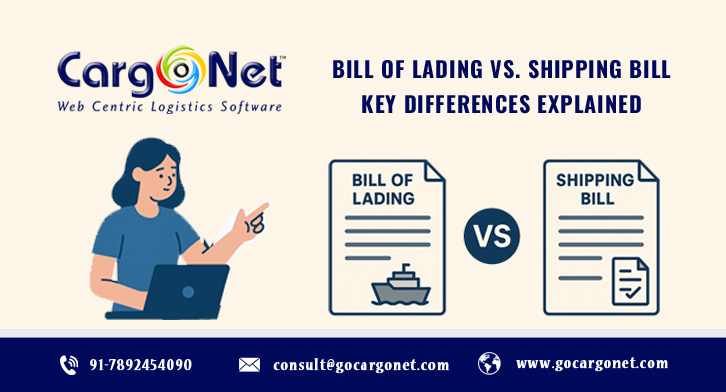
Bill of Lading vs. Shipping Bill: Key Differences Explained

In Global logistics and shipping, proper documentation is essential to ensure smooth operations and compliance with regulations. Two key documents that often come into play around (a) Bill of Lading (B/L) and (b) Shipping Bill. While they may sound similar, they serve distinct purposes in the shipping process. In this blog, we will explore what each document’s nature, their differences, and where to use them, as well as the various types of Bills of Lading used in shipping.

What is a Bill of Lading?

A Bill of Lading is a legal document issued by a carrier to a shipper. It acts as a receipt for the cargo being Export / Import, a contract between the shipper and the carrier, and a document of title. It outlines the details of the shipment, including the type and Commodity of cargo , the destination, and the consignee (the person or entity receiving the cargo). The Bill of Lading plays a critical role in international and domestic shipping.

Key Functions of a Bill of Lading:

Types of Bills of Lading

In shipping, different types of Bills of Lading serve distinct roles to facilitate trade and secure shipments. Here are the most commonly used types:
Each type serves a specific purpose, ensuring accurate documentation, ownership transfer, and efficient movement through different phases of the shipping process.

What is a Shipping Bill?

A Shipping Bill is a document required for the export of Cargo. It serves as a customs declaration and contains detailed information about the shipment, such as the nature of the cargo, its value, and the destination. The Shipping Bill must be submitted to customs authorities for clearance before the shipment can leave the country.

Key Features of a Shipping Bill:

Key Differences Between Bill of Lading and Shipping Bill

Understanding the differences between the Bill of Lading and Shipping Bill is essential for anyone involved in shipping and logistics. Here are the main distinctions:

1. Function:

2. Usage:

3. Parties Involved:

4. Legal Status:

When to Use Each Document

The Bill of Lading is essential whenever Cargo are shipped, whether domestically or internationally. It serves as the contract of carriage, provides proof of ownership, and allows the consignee to claim the Cargo upon arrival.
The Shipping Bill, on the other hand, is mandatory for all exports. Before the shipment can leave the country, this document must be submitted to customs authorities for clearance.

Common Challenges and Mistakes

Misunderstanding the role of these documents can lead to costly errors. Here are some common challenges:

Conclusion

In summary, both the Bill of Lading and the Shipping Bill play critical roles in the shipping process. While the Bill of Lading serves as a contract, receipt, and title document between the shipper and carrier, the Shipping Bill is primarily used for customs clearance and export compliance. Understanding the differences and using each document appropriately is essential for ensuring smooth operations in logistics.

Simplify Your Shipping Process

Are you facing challenges with shipping documentation? Whether it’s managing a Bill of Lading or a Shipping Bill, we’re here to help. Drop your questions or share your experiences in the comments below. Want a hands-on solution? to see how we can streamline your shipping process!

Simplify Bill of Lading Management: How CargoNet’s Bill of Lading Software Enhances Efficiency

Managing the Bill of Lading (BOL) is a vital yet complex task in global shipping, requiring attention to detail and compliance with regulations. A BOL is more than just a shipping document—it’s a legal contract between the shipper and the carrier. Mismanaging it can result in costly delays, fines, and even legal issues. CargoNet’s Bill of Lading software is designed to streamline this critical process, improving efficiency and reducing the risk of human error. In this blog, we’ll break down the complexities of the BOL and demonstrate how CargoNet simplifies its management.

What is a Bill of Lading?

A Bill of Lading (BOL) is a legal document issued by a carrier (e.g., a shipping company or freight forwarder) to the shipper. It serves two main purposes:
A Bill of Lading (BOL) is required for every shipment by sea, making it a crucial element in logistics operations.

Common Types of Bill of Lading

Different types of Bills of Lading (BOLs) serve unique shipment needs. Here’s a look at the most commonly used types:

Challenges of Manual BOL Management

Managing BOLs manually can result in several challenges:

How CargoNet Simplifies BOL Management

CargoNet’s makes the entire process of BOL management more efficient, accurate, and transparent. Let’s explore how it works:

1. User-Friendly Digital BOL Creation

CargoNet’s user-friendly platform simplifies BOL creation. Users input the shipment details once, and CargoNet automatically generates a fully compliant BOL, saving time and eliminating repetitive data entry. The system also includes validation checks to ensure all required information is updated before the document is finalized. Plus, it provides a draft BOL, allowing customers to review and cross-check the details.

2. Real-Time Shipment Tracking

CargoNet offers real-time tracking, giving users up-to-date information on shipment locations. This feature helps manage delivery schedules and keeps clients informed, allowing users to address potential delays before they escalate.

3. Easy Document Sharing

CargoNet makes sharing BOLs with stakeholders—such as shippers, consignees, and customs agents—quick and easy. Users can send digital BOLs directly from the platform, eliminating the need for scanning or emailing physical documents.

4. Compliance Assurance

With global customs integration, CargoNet ensures that BOLs meet the regulatory requirements for different countries. Whether for sea or air shipments, CargoNet’s system keeps you compliant with international regulations.

5. Error Reduction

By automating data entry and verification, CargoNet reduces the chances of human error, ensuring that all information is accurate and preventing shipment delays or fines.

Key Benefits of Using CargoNet for BOL Management

Freight forwarders, shippers, and logistics providers can gain several advantages by using CargoNet for BOL management:

Conclusion

The Bill of Lading is a crucial document in the global shipping process, but managing it manually can lead to delays, errors, and compliance risks. CargoNet’s Bill of Lading software offers a streamlined, automated solution to these challenges, helping freight forwarders and shippers improve efficiency, ensure compliance, and reduce costs.
Ready to simplify your BOL management? and discover how CargoNet can transform your logistics operations, making them faster, more efficient, error-free and cost-effective.

How CargoNet Cross Border Trading Software Simplifies International Trade

In today’s global marketplace, international shipping is vital for business growth. However, the process is often challenging due to differing customs rules, paperwork, and fees. Delays and inefficiencies can increase costs and lead to customer dissatisfaction. To tackle these complexities, CargoNet Cross Border Trading Software provides a streamlined, automated solution that makes global trade faster and easier.

What is CargoNet Cross Border Trading Software?

CargoNet Cross Border Trading Software is designed to simplify international shipping. It automates customs documentation, calculates tariffs and duties, and ensures compliance with local regulations. Seamlessly integrating with your systems, it speeds up cross-border trading processes.

Key Features of CargoNet Cross Border Trading Software

Automated Customs Documentation

Automatically prepares and submits customs paperwork, reducing manual data entry.

Tariff and Duty Calculations

Ensures accurate calculation of tariffs, taxes, and duties based on the latest regulations.

Regulatory Compliance

Keeps your shipments compliant with trade laws, avoiding fines and delays.

Multi-Currency and Multilingual Support

Handles various currencies and languages, simplifying global transactions.

Real-Time Tracking

Provides live updates on shipment status from departure to arrival.

How CargoNet Solves Cross-Border Trade Challenges

CargoNet addresses common challenges like customs delays, unexpected costs, and regulatory complexities. By automating processes and providing real-time updates, it reduces errors, delays, and expenses, making international trade more efficient.

Benefits of Using CargoNet Cross Border Trading Software

Who Can Benefit?

CargoNet is ideal for businesses involved in international trade, such as:

Future Trends in Cross-Border Trading

As global trade becomes more digital, innovations like AI and automation are transforming operations. CargoNet stays ahead of these trends, continually enhancing its software to meet evolving demands.

Conclusion

CargoNet Cross Border Trading Software simplifies global trade by automating customs processes, ensuring compliance, and providing real-time shipment tracking. It helps businesses reduce costs, eliminate delays, and streamline operations for seamless cross-border commerce.

Streamline Your Cross-Border Shipments Today

Ready to optimize your international shipments? and discover how our Cross Border Trading Software can benefit your business.

Transform Your Break Bulk Shipping Operations with CargoNet Break Bulk Carrier Management Software

Break bulk shipping involves moving large, oversized cargo that doesn’t fit into standard shipping containers. Shipping heavy machinery, industrial equipment, and vehicles requires careful planning and execution. With many manual tasks and tracking challenges, it’s easy for delays and mistakes to happen.
CargoNet Break Bulk Carrier Management Software is designed to simplify this process. It helps businesses manage their cargo efficiently, reduces paperwork, cuts costs, and improves customer satisfaction.

What is Break Bulk Shipping?

Break bulk shipping refers to transporting items too large or bulky to be shipped in containers. These can include things like construction equipment, vehicles, or steel beams. Unlike container shipping, each item is handled individually, which means more time, effort, and attention to detail.

Common Break Bulk Cargo:

Challenges in Break Bulk Shipping

Break bulk shipping comes with specific challenges that require extra care:

How CargoNet Helps with Break Bulk Shipping

CargoNet is designed to tackle these challenges. It provides tools to automate many tasks, improve cargo visibility, and streamline operations. Let’s look at how CargoNet makes break bulk shipping easier.

Automating Operations

Cargo Tracking: CargoNet allows you to track each piece of cargo from loading to delivery. This way, you can stay updated on its location and ensure everything is handled properly.
Automatic Document Creation: Generating essential shipping documents like Bills of Lading, manifests, and customs forms is easy with CargoNet. This reduces paperwork and lowers the risk of mistakes.

Reducing Costs

Route Optimization: CargoNet helps you plan the best shipping routes, saving time and reducing fuel costs.
Efficient Resource Management: The software ensures that your crew, ships, and equipment are used effectively, reducing downtime and maximizing efficiency.

Improving Cargo Visibility

Real-Time Tracking: CargoNet provides real-time updates on the status and location of your shipments, so you always know where your cargo is.
Customer Portal: Customers can log in and track their shipments, reducing their need to contact you and improving their overall experience.

Key Features of CargoNet Break Bulk Carrier Management Softwareng

CargoNet comes packed with features that simplify your shipping operations and ensure smooth, efficient cargo handling.

1. Cargo Planning & Loading Optimization

CargoNet helps plan the best way to load your cargo to maximize space, minimize the risk of damage, and speed up loading times.

2. Automatic Document Generation

CargoNet automatically creates essential documents like Bills of Lading, customs declarations, and shipment manifests, making it easier to stay compliant with shipping regulations.

3. Fleet and Equipment Tracking

Keep an eye on your fleet and equipment in real-time. Monitor the condition of your ships, trucks, and other tools to avoid breakdowns and delays.

4. Compliance and Risk Management

CargoNet helps you follow international shipping rules and safety standards, reducing the risk of fines and ensuring cargo safety throughout the journey.

5. Analytics and Reporting

Get valuable insights into your operations. CargoNet’s reporting features give you a clear view of your performance, helping you make better decisions to improve efficiency and profitability.

Benefits of CargoNet for Break Bulk Shipping

CargoNet offers several benefits that make break bulk shipping more efficient, less costly, and easier to manage.

1. Increased Efficiency

Automating manual tasks like tracking cargo and generating documents speeds up your operations and reduces the chance of human error.

2. Lower Operational Costs

With features like route optimization and effective resource management, CargoNet helps cut costs related to fuel, labor, and equipment.

3. Compliance Made Easy

CargoNet ensures that all shipments meet international regulations, which protects you from fines and ensures safe shipping practices.

4. Better Customer Satisfaction

CargoNet’s real-time updates and customer portal keep your clients informed. They can track their shipments, reducing their need to ask for updates and boosting their confidence in your service.

Who Can Benefit from CargoNet?

CargoNet’s Break Bulk Carrier Management Software is ideal for businesses in the shipping and logistics industry, particularly those dealing with oversized or irregular cargo.

Conclusion:

Break bulk shipping can be a complicated process, butCargoNet Break Bulk Carrier Management Software makes it much easier. By automating tasks, improving tracking, and cutting down on delays and costs, CargoNet helps you run your shipping operations smoothly and keep your customers happy.

How AI Can Enhance Cybersecurity in Global Logistics Amid War

In today’s conflict-ridden world, the logistics sector faces significant cybersecurity challenges. With a growing reliance on digital systems for coordinating global supply chains, the threat of cyberattacks during wars is escalating. According to Cybersecurity Ventures, global cybercrime costs are projected to reach $10.5 trillion annually by 2025. Ongoing conflicts, including those involving Israel-Iran and Russia-Ukraine, underscore the vulnerabilities of logistics networks to cyber disruptions. However, AI (Artificial Intelligence) is emerging as a powerful tool to mitigate these threats and safeguard global logistics.

Key Ways AI Can Improve Cybersecurity in Logistics

1. AI-Driven Threat Detection and Prevention –

AI systems can detect potential cyber threats significantly faster than traditional methods. By continuously monitoring logistics networks, AI can identify unusual activities, such as unauthorized access or suspicious behavior, indicative of a cyberattack. A 2024 study by Deloitte found that organizations using AI for cybersecurity can reduce breach detection time by up to 60%. This proactive approach empowers logistics companies to thwart attacks before they escalate into widespread disruptions.

2. AI in Predicting and Responding to Cyberattacks –

Leveraging machine learning algorithms, AI can predict the likelihood of specific cyberattacks based on historical data and real-time analysis. This predictive capability enables logistics companies to prepare defenses and reinforce vulnerable systems, ensuring minimal disruption during a cyber crisis. According to a 2024 report from IBM, organizations employing AI and automation in their incident response experience a 40% reduction in the average time to contain a breach .

3. AI-Powered Data Encryption and Protection –

AI enhances data encryption methods, making it more challenging for hackers to access sensitive logistics information, such as shipment details, customer data, and cargo routes. Through dynamic encryption models that adapt over time, AI ensures logistics companies stay ahead of cybercriminals. The 2024 Cyber Threat Report reveals that 55% of organizations reported experiencing a data breach involving sensitive information, highlighting the urgent need for advanced protective measures.

4. AI-Optimized Ransomware Defense –

Ransomware attacks are increasingly common during conflicts, targeting logistics companies to disrupt operations. Cybersecurity Ventures predicts that ransomware attacks will occur every 11 seconds by 2025. AI helps by detecting ransomware threats before they infiltrate systems. Advanced algorithms can identify early signs of ransomware, such as unusual file encryption patterns, allowing for immediate quarantine of the threat.

5. AI for Enhanced Communication Security –

Communication breakdowns in logistics, often caused by cyberattacks, can lead to delays and misrouted shipments. AI strengthens communication security by encrypting messages and ensuring that only authorized parties can access them. AI systems can also detect breaches in communication channels, enabling logistics companies to secure sensitive conversations swiftly. The 2024 Global Cybersecurity Index states that over 65% businesses experience some form of cybersecurity incident annually, emphasizing the importance of robust communication safeguards.

6. AI for Supply Chain Optimization and Risk Management –

AI enhances overall supply chain resilience by optimizing routes and identifying risks in real-time. During wartime, AI-powered logistics platforms can reroute shipments to avoid conflict zones, manage inventory more efficiently, and ensure timely delivery of goods. A 2024 study by Gartner found that organizations leveraging AI for supply chain risk management experience a 30% reduction in supply chain disruptions . Additionally, AI assesses risks posed by cyberattacks on supply chain partners, giving logistics companies insight into vulnerabilities and how to address them.

The Role of AI in Conflict-Driven Cybersecurity

The Israel-Iran and Russia-Ukraine wars have highlighted the urgent need for enhanced cybersecurity in global logistics. AI plays a critical role by identifying specific cyber threats from state and non-state actors. In the Israel-Iran conflict, both nations are known for their sophisticated cyber capabilities, which disrupt supply chains and transport networks. Similarly, in the Russia-Ukraine war, AI can help secure global shipping routes from cyber disruptions, ensuring timely delivery of goods and services. The World Economic Forum estimates that the economic impact of cyberattacks in Ukraine has exceeded $300 million since the conflict began , illustrating the pressing need for improved cybersecurity measures.

Conclusion

CargoNet AI is transforming how the logistics sector manages cybersecurity, especially during wars. By leveraging AI to detect, predict, and respond to cyber threats, logistics companies can better protect their systems and ensure the smooth operation of global supply chains. As conflicts continue to pose significant risks to logistics networks, CargoNet AI emerges as a vital solution for securing the flow of goods in a turbulent world. Investing in CargoNet AI-powered cybersecurity is essential for the future of global logistics, ensuring companies navigate the challenges of modern warfare while maintaining operational resilience.

Sources:

Streamline Global Shipping with CargoNet Customs EDI Software

Seamless customs clearance is essential for ensuring goods move swiftly across borders without unnecessary delays. Customs EDI (Electronic Data Interchange) software revolutionizes this process by automating and streamlining the exchange of critical documents between freight forwarders, carriers, and customs authorities. With CargoNet Customs EDI Software, logistics companies can effortlessly meet global customs filing requirements, ensuring compliance, minimizing paperwork, and keeping shipments on schedule.

What is CargoNet Customs EDI Software?

CargoNet’s Customs EDI software is a specialized solution that facilitates the electronic exchange of customs-related information between logistics and transportation stakeholders. It automates the preparation and submission of essential documents, such as customs declarations, manifest filings (including AMS and ACI), and Importer Security Filings (ISF), ensuring compliance with local and international regulations. The software validates data to minimize errors, provides real-time tracking and notifications regarding the status of submissions, and helps businesses stay compliant with ever-changing regulations.
CargoNet’s software integrates seamlessly with existing logistics, accounting, and warehouse management systems, enhancing visibility through reporting and analytics. Additionally, it allows integration with customs clearance systems via APIs, significantly increasing efficiency by reducing manual processing time. Overall, CargoNet’s Customs EDI software is an essential tool for logistics companies aiming to streamline their customs processes, improve compliance, and reduce costs in an increasingly complex global trade environment.

Key Features of CargoNet Customs EDI Software

Automated Customs Filing

CargoNet Customs EDI automates the submission of shipping data to customs authorities, reducing the risk of human error. Our software supports various requirements, including:
By automating these critical filings, your team can focus on strategic tasks rather than paperwork, ultimately improving operational efficiency.
Real-Time Notifications
Staying updated on shipment status is crucial for smooth operations. CargoNet provides real-time notifications regarding filing statuses, approvals, and rejections. These alerts enable your team to:
Quick action on notifications significantly reduces the risks associated with customs delays.
Global Compliance
Compliance with international trade regulations is complex and constantly evolving. CargoNet’s EDI solution adapts to these changes, ensuring your shipments meet the latest standards. This capability helps businesses:
Seamless Integration
CargoNet’s Customs EDI software integrates effortlessly with your existing logistics systems and connects with customs clearance platforms through APIs. This smooth connectivity ensures efficient data flow between departments, partners, and customs authorities without duplicating efforts. Benefits of integration include:
Cost Efficiency
The automation of data exchange and reduction of manual tasks offered by CargoNet Customs EDI lead to significant cost savings. Streamlining processes allows businesses to:
Customizable Solutions
Every logistics operation has unique requirements. CargoNet offers customizable solutions tailored to your specific needs, allowing you to:

Why Choose CargoNet Customs EDI Software?

Enhanced Security

CargoNet prioritizes your sensitive shipment data with robust security measures, including encryption protocols and secure access features. This ensures your data is protected from cyber threats, giving you peace of mind.

Scalability

Whether you’re a small logistics provider or a large enterprise, CargoNet grows with you. The software is designed to manage varying shipment volumes, adapting to your business’s expansion without compromising performance.

User-Friendly Interface

Despite its powerful capabilities, CargoNet is designed for ease of use. Its intuitive interface allows your team to navigate the system effortlessly, reducing training time and enhancing productivity.

Comprehensive Support

CargoNet offers ongoing support to ensure your operations run smoothly. From onboarding assistance to troubleshooting, our dedicated support team is available to help you every step of the way.

Conclusion

CargoNet Customs EDI Software simplifies customs compliance by automating the filing process and ensuring your business adheres to global trade regulations. By utilizing cutting-edge technology, it minimizes errors, prevents delays, and keeps your operations running smoothly.

If you’re looking to optimize your customs processes and boost efficiency, consider CargoNet’s reliable Customs EDI solution.to see how we can help enhance your logistics operations.

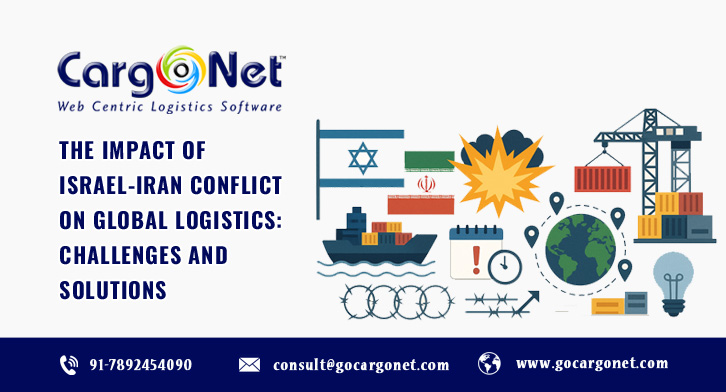
The Impact of Israel-Iran Conflict on Global Logistics: Challenges and Solutions

The conflict between Israel and Iran could have severe consequences for global logistics. The Middle East is a crucial hub for international trade. Any disruption in this region could ripple through the supply chains that power the global economy. In this article, we’ll explore the challenges an Israel-Iran conflict could pose to logistics. We will also look at how technology can help businesses stay resilient during such crises.

1. Disruption of Major Trade Routes

The Middle East holds some of the world’s most important trade routes, including the Strait of Hormuz and the Suez Canal. These routes are critical for oil and global commerce.

2. Rising Fuel Costs

The Middle East is a key oil supplier. Any disruption would lead to higher fuel prices, directly impacting transportation costs.

3. Supply Chain Delays and Uncertainty

A war between Israel and Iran could cause long delays in global supply chains. Many companies rely on Middle Eastern ports and trade routes for goods.

4. Heightened Geopolitical Risks

A conflict would heighten risks for businesses operating in the region. Ships and planes passing through conflict zones could be at risk.

5. Impact on Air Freight

Airlines could also be affected by the conflict. Restricted airspace and no-fly zones would force airlines to reroute flights.

6. Economic Instability and Demand Shifts

The conflict could cause economic instability, affecting markets around the world. Businesses may face unpredictable shifts in demand due to rising prices.

7. Strained Shipping Capacity

With vessels rerouted to avoid conflict zones, global shipping lanes would become congested. Ports in Europe, Asia, and Africa could struggle to handle the extra volume.

8. Technology-Driven Solutions for Resilience

To overcome these challenges, logistics companies must rely on technology. CargoNet provides solutions to help businesses optimize their operations during crises.

Conclusion

An Israel-Iran conflict could create major challenges for global logistics. From rising fuel costs to supply chain delays, the impact would be felt across industries. However, by using technology like CargoNet, logistics companies can stay resilient. Real-time tracking, AI-driven route optimization, and cost management tools will help businesses adapt and minimize disruption.

Understanding Taxable and Non-Taxable Turnover in the Freight Industry

The freight industry is key to global trade. However, managing finances can be tricky, especially when separating taxable turnover from non-taxable turnover. A major challenge arises when freight companies pay significant expenses for customers. These expenses are often wrongly classified as taxable turnover, leading to inflated taxable income and unnecessary tax payments.
In this blog, we will explain this problem and show how freight companies can avoid it by ensuring they only pay taxes on truly taxable revenue.

What is Taxable Turnover?

Taxable turnover refers to revenue from activities that are subject to taxes, like Goods and Services Tax (GST) or Value Added Tax (VAT). In the freight industry, taxable turnover includes charges for services such as transportation and logistics.
For example, when a freight forwarder charges for shipping goods from one country to another, that charge becomes part of the taxable turnover.

The Problem: Misclassifying Customer Payments

Freight companies often face the issue of misclassifying payments made on behalf of customers. These payments include duties, customs fees, and other third-party expenses. Since customers reimburse these amounts, they are not taxable. However, many companies mistakenly count them as taxable revenue, which increases their tax burden.

Example Scenario

Imagine a freight company paying customs duties for a client. Even though the client reimburses them, these payments sometimes get included in taxable turnover. This makes the company’s revenue appear higher than it is, which leads to overpayment of taxes.

What is Non-Taxable Turnover?

Non-taxable turnover includes amounts that are not subject to tax, such as:
Since the customer reimburses these payments, they should not be part of the company’s taxable turnover.

Key Challenges for Freight Companies

Increased Tax Payments:

When pass-through expenses are counted as taxable turnover, companies end up paying more taxes than they should.

Complex Financial Management:

Managing taxable and non-taxable transactions can be difficult, especially for companies with high transaction volumes.

Risk of Tax Audits:

Overstating taxable turnover can attract attention from regulators, leading to audits or penalties.

Use Advanced Accounting Systems:

Reliable accounting systems help freight companies distinguish between taxable and non-taxable transactions. Freight management software like CargoNet automates this process, ensuring accuracy.

Train Your Finance Team:

Educating your finance team on taxable and non-taxable turnover reduces mistakes.

Leverage Technology for Compliance:

Modern freight software solutions can automatically separate taxable and non-taxable transactions. This reduces errors and ensures compliance.

Consult Tax Advisors:

Tax experts help ensure compliance with regulations and can even help recover overpaid taxes.

Managing Customer Expenses

Freight companies often pay large amounts on behalf of their clients. To avoid confusion, it’s important to issue separate invoices for:
Clear communication with clients helps prevent misunderstandings and ensures proper tax reporting.

Conclusion

Understanding the difference between taxable and non-taxable turnover is crucial for freight companies. Misclassifying expenses can lead to inflated tax payments and unnecessary audits. By using the right accounting tools, training your team, and consulting tax experts, you can manage this challenge efficiently.

Ready to simplify your tax process?

Tools like CargoNet can help you manage your taxable and non-taxable turnover with ease. Contact us today for a free consultation and find out how we can streamline your accounting while ensuring tax compliance.
Avoid overpaying taxes! Optimize your freight operations today. Consistent training helps avoid costly mistakes

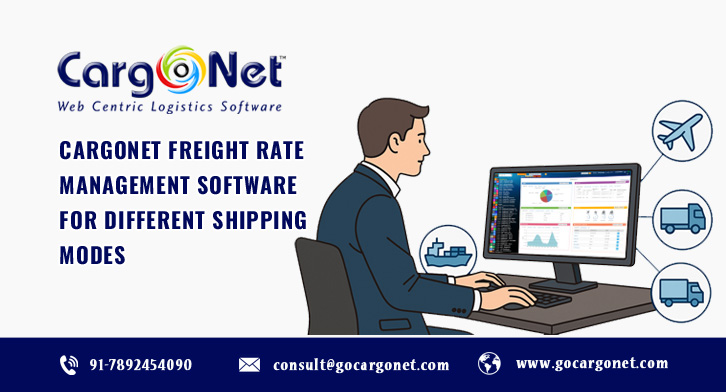
CargoNet Freight Rate Management Software for Different Shipping Modes

Managing freight rates accurately across multiple shipping modes is critical for optimizing profitability in logistics. CargoNet Freight Rate Management Software simplifies and centralizes rate calculations for various transport methods, enabling freight forwarders, shippers, and logistics providers to streamline their operations. With CargoNet, you can efficiently handle pricing strategies for ocean, air, road, rail, and multi-modal transportation—all from a single, user-friendly platform.

Ocean Freight Rate Management

Ocean freight is one of the most economical ways to transport large volumes of goods internationally. However, navigating the complex pricing structures—including container fees, port charges, and surcharges—can be challenging.

CargoNet simplifies ocean freight rate management by allowing you to:

CargoNet’s centralized platform empowers you to offer accurate, competitive pricing for ocean freight while minimizing manual effort and maximizing profitability.

Air Freight Rate Management

For time-sensitive or high-value shipments, air freight is indispensable. However, air freight rates can be volatile, influenced by factors like dimensional weight and fuel price fluctuations.

CargoNet’s Air Freight Rate Management Software helps logistics companies:
With CargoNet, you can manage your air freight pricing with agility, ensuring your business stays ahead of fluctuating market demands.
Road and Rail Freight Rate Management
Road and rail freight are essential for inland transportation, but managing rates requires consideration of distance, tolls, and regional costs.
CargoNet Freight Rate Management Software for road and rail shipping enables you to:
By automating road and rail freight pricing with CargoNet, your business can provide faster, more accurate quotes while ensuring competitive rates for regional and national deliveries.
Multi-modal Freight Rate Management
Multi-modal shipping, which integrates various transport modes such as ocean, air, and road, presents opportunities for cost savings and faster deliveries but involves complex rate calculations across different modes.
CargoNet’s Multi-modal Freight Rate Management Software allows you to:
With CargoNet, you can easily manage multi-modal freight rates, offering your customers flexible and cost-effective shipping options while enhancing operational efficiency.
Why Choose CargoNet?
CargoNet Freight Rate Management Software is built to address the complexities of modern logistics. It helps you:
Ready to take control of your freight rate management? Discover how CargoNet Freight Rate Management Software can enhance your pricing strategies and boost your logistics efficiency.

Digitizing Shipping Documentation with CargoNet NVOCC Software

In today’s fast-paced shipping industry, NVOCCs (Non-Vessel Operating Common Carriers) need to manage shipping documents efficiently while minimizing errors and delays. CargoNet NVOCC Software offers a comprehensive solution to digitize critical shipping documents such as the Bill of Lading (BL) and Shipping Instructions (SI), making the entire process faster, more accurate, and easily accessible.

Why Digital Shipping Documentation is Essential for NVOCCs

Manual paperwork is not only time-consuming but also prone to errors that can lead to costly delays and compliance issues. By digitizing shipping documentation, NVOCCs can automate and streamline their operations, improving both speed and accuracy. CargoNet digital platform enables seamless document management, reducing human intervention and simplifying the overall process. This allows NVOCCs to focus more on customer satisfaction and business growth.

Key Features of CargoNet Digital Documentation Management

1. Bill of Lading (BL) Management with CargoNet

The Bill of Lading (BL) is one of the most crucial documents in NVOCC operations, acting as a receipt for goods and a contract of carriage between the shipper and the carrier. Managing BLs manually can be time-consuming and prone to discrepancies.
Automated Creation and Modification: CargoNet’s Digital Bill of Lading software automates the creation, modification, and distribution of BLs. This ensures all necessary information is captured accurately, making it easy to share with stakeholders.
Electronic Bill of Lading (eBL): The software supports electronic BLs (eBL), making the process completely paperless, more secure, and faster.

2. Automated Shipping Instructions (SI) Creation

Shipping Instructions (SI) are critical for ensuring cargo is shipped and handled correctly. Preparing these documents manually can lead to inefficiencies and transmission errors.
Predefined Templates: CargoNet simplifies this process with its automated SI creation feature. Users can input shipment details, and the system will automatically generate accurate SIs based on predefined templates, saving time and ensuring consistency.

Benefits of Using CargoNet for Shipping Documentation Automation

Why Choose CargoNet for Shipping Documentation Digitization?

CargoNet software is designed specifically for the needs of NVOCCs, providing them with an end-to-end solution for managing shipping documents. With its user-friendly interface, customizable templates, and powerful automation capabilities, CargoNet helps NVOCCs optimize their operations and stay competitive in the global shipping industry.

Conclusion

In an industry where accuracy and speed are critical, digitizing shipping documentation with CargoNet NVOCC Software is a game-changer. From Bill of Lading management to automated Shipping Instructions creation, CargoNet ensures that NVOCCs can operate more efficiently, reduce costs, and improve overall customer satisfaction. By leveraging CargoNet advanced features, NVOCCs can streamline their processes, stay compliant, and focus on growing their business.
cargonet-logo-icon
Cargonet Cargo Software Logo

Feedback & Reward program

Submit the Feedback and avail the Rewards.

1. Your satisfaction & reliability on CargoNet ?

2. Your Rating on Support & co-ordination team?

3. Satisfaction on the look and feel of CargoNet ?

4. Please specify any 2 best features that you feel more helpful in CargoNet?

5. Please specify any 2 best reports that you are taking on regular basis?

6. Are you using Copy Job option in CargoNet Software?

7. Are you using Automatic DSR (Daily Status Report) Option? It automatically sends reports to customer about the shipment status

8. Are you using Automatic Outstanding Reports option? Period Auto outstanding reminders to customer

9. Any other thoughts to improve in CargoNet? Please share.

* Join our Reward Program by recommending CargoNet (Cash Rewards Awaiting)

“Thanks for your feedback. Our goal is to create the best possible product, support & service, and your thoughts, ideas & suggestions play a major role in helping us identify opportunities to improve.”

Cut AI cost ,
not performance

discover how top Freight Forwarding companies  reduce AI-related expense and speed up operation with CargoNet AI, we will show it how

Share your information for instant access :

Get a Demo Now

Get a Demo Now