
India and the United Arab Emirates (UAE) have crossed a major milestone in bilateral economic relations, with two-way trade exceeding US$100 billion (approximately ₹9.47 lakh crore) since the implementation of the Comprehensive Economic Partnership Agreement (CEPA).
Announcing the development on October 20, 2026, Union External Affairs Minister Dr. S. Jaishankar highlighted the growing economic partnership while welcoming UAE Deputy Prime Minister and Foreign Minister Sheikh Abdullah bin Zayed Al Nahyan to Mumbai.
The milestone reflects expanding trade flows, stronger investment commitments and deeper cooperation across sectors, including energy, defence, technology and manufacturing. It also highlights the UAE’s growing importance as a strategic trade and logistics partner for India.
India-UAE CEPA: A Major Driver of Bilateral Trade Growth
The India-UAE CEPA was signed on February 18, 2022, and came into force on May 1, 2022. The agreement aims to reduce trade barriers, improve market access and encourage investment between the two economies.
The impact is visible in bilateral trade figures. According to India’s Ministry of Commerce, merchandise trade between the two countries reached approximately US$100.06 billion in FY 2024–25, registering 19.6% growth.
The UAE’s Ministry of Foreign Affairs reports that bilateral trade increased further to approximately US$101.25 billion in FY 2025–26, compared with US$100.05 billion in FY 2024–25. India’s exports to the UAE reached approximately US$37.36 billion in FY 2025–26.
Sources: India’s Commerce Ministry – CEPA trade update | UAE Ministry of Foreign Affairs – Economic Cooperation.
India-UAE Trade: Important Statistics
Trade indicator
Reported figure
Bilateral trade, FY 2024–25
US$100.05 billion
Bilateral trade, FY 2025–26
US$101.25 billion
Growth in FY 2024–25
20%
India’s exports to UAE, FY 2025–26
US$37.36 billion
CEPA signed
February 18, 2022
CEPA implemented
May 1, 2022
Bilateral trade target by 2032
US$200 billion
Sources: Government of India and UAE Ministry of Foreign Affairs. Figures are reported in their respective official updates.
What the Growing Trade Partnership Means for Logistics
The expansion of India-UAE trade creates opportunities across shipping, freight forwarding, port operations, warehousing and cross-border supply chain management.
Both countries serve as important commercial gateways connecting businesses across Asia, the Middle East, Africa and Europe. Increasing trade volumes can support demand for more efficient cargo movement, customs processing and international logistics services.
Key areas likely to benefit include:
- Sea freight: Higher merchandise trade can support demand for container shipping and regular cargo services between Indian and UAE ports.
- Air cargo: Growing trade in high-value and time-sensitive products can create opportunities for air freight operators.
- Port and terminal operations: Greater cargo movement can increase the importance of efficient port handling, container management and cargo clearance.
- Customs and documentation: CEPA-related preferential tariffs make accurate documentation, rules-of-origin verification and customs compliance important for exporters and importers.
- Warehousing and distribution: Stronger cross-border trade can encourage investment in logistics infrastructure, storage and regional distribution networks.
- Digital freight operations: Freight forwarders may increasingly adopt automation, AI-powered documentation and real-time shipment tracking to manage growing shipment volumes.
Strategic Cooperation Beyond Trade
India and the UAE are also expanding cooperation in defence, energy, technology and investment. These sectors are becoming increasingly important to the broader economic relationship.
During the October 20, 2026 meeting in Mumbai, Dr. Jaishankar and Sheikh Abdullah bin Zayed Al Nahyan discussed strengthening cooperation across trade, investment and other strategic sectors.
The UAE is also an important energy partner for India. Against the backdrop of regional tensions in the Gulf, Dr. Jaishankar emphasised the importance of maintaining the free, safe and uninterrupted movement of trade, energy and fertiliser.
This is particularly relevant for the logistics industry because disruptions to major Gulf shipping routes can affect freight costs, transit times, fuel supplies and international supply chains.
Stronger Leadership Engagement in 2026
High-level diplomatic engagement has continued to support the India-UAE strategic partnership.
Some notable engagements highlighted by Dr. Jaishankar include:
- January 2026: UAE President Sheikh Mohamed bin Zayed Al Nahyan visited India.
- February 2026: Abu Dhabi Crown Prince Sheikh Khaled bin Mohamed bin Zayed Al Nahyan participated in the AI Impact Summit.
- May 2026: Prime Minister Narendra Modi made his eighth visit to the UAE.
- October 2026: UAE Deputy Prime Minister and Foreign Minister Sheikh Abdullah bin Zayed Al Nahyan visited Mumbai for discussions with India’s External Affairs Minister.
These engagements reflect continued cooperation in economic development, investment, technology and regional connectivity.
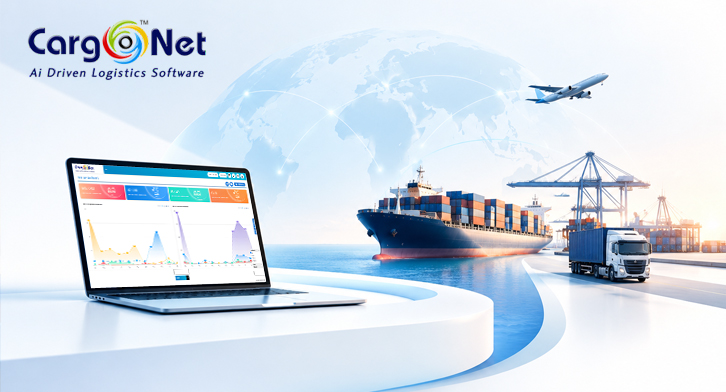
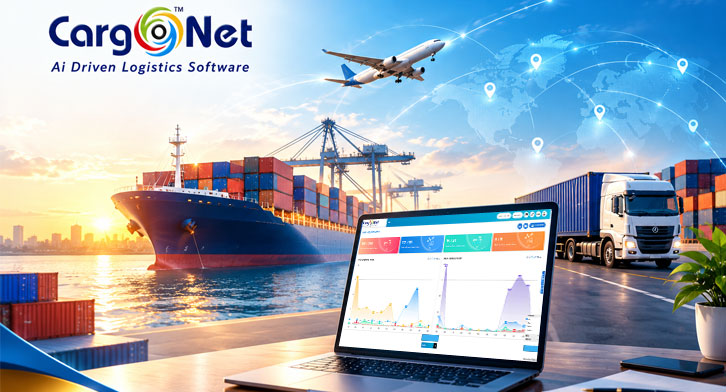
India-UAE Trade Growth: How the Partnership Supports Logistics
India-UAE trade and logistics ecosystem
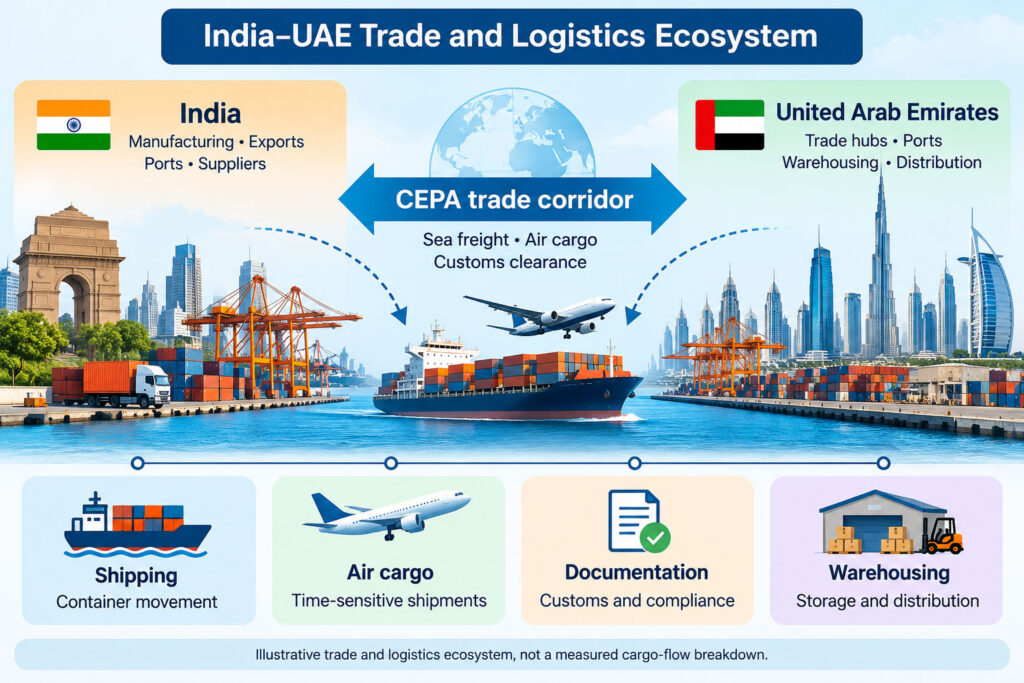
Illustrative trade and logistics ecosystem, not a measured cargo-flow breakdown.
Conclusion
Crossing the US$100 billion trade milestone reflects the expanding economic relationship between India and the UAE. With the bilateral trade target set at US$200 billion by 2032, opportunities are emerging across international shipping, freight forwarding, port infrastructure, warehousing and digital logistics.
For logistics companies and freight forwarders, the expanding trade corridor presents opportunities to strengthen cross-border operations, improve shipment visibility and adopt technology-driven supply chain solutions.
Frequently Asked Questions
How much is India-UAE bilateral trade?
India-UAE bilateral trade reached approximately US$101.25 billion in FY 2025–26, according to the UAE Ministry of Foreign Affairs.
What is the India-UAE CEPA agreement?
The Comprehensive Economic Partnership Agreement (CEPA) is a trade agreement designed to reduce tariffs, improve market access and strengthen economic cooperation between India and the UAE.
When did India-UAE CEPA come into effect?
The agreement was signed on February 18, 2022, and became effective on May 1, 2022.
What is the India-UAE bilateral trade target for 2032?
The two countries have set a target of achieving US$200 billion in bilateral trade by 2032.
How will India-UAE trade growth impact the logistics industry?
Growing trade can create opportunities in shipping, air freight, customs clearance, warehousing, freight forwarding and digital supply chain management.
Why is the UAE important for India’s international trade?
The UAE serves as a major commercial and logistics hub connecting India with markets across the Middle East, Africa, Europe and other regions.