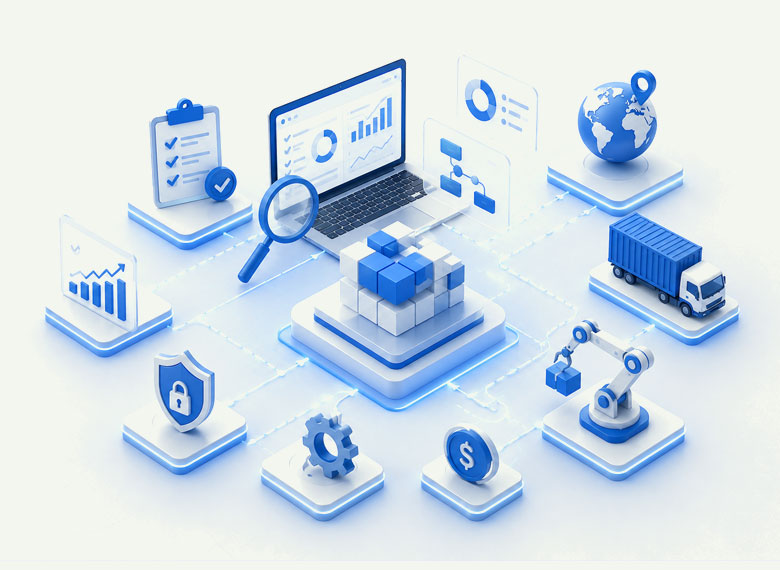
Automate repetitive freight forwarding tasks, connect operational workflows, and help your team manage shipments with less manual effort.
CargoNet helps freight forwarders coordinate enquiries, quotations, bookings, documentation, shipment operations and finance through a connected freight management platform. With AI-powered automation, your team can reduce repetitive data entry, process shipment information more efficiently and focus on customer service and business growth.
Connect freight workflows. Reduce repetitive work. Maintain control over your operations.
Freight forwarding involves multiple stakeholders, shipment documents, communication channels and operational deadlines. A single shipment may require information from customer emails, rate sheets, booking confirmations, shipping documents, tracking platforms and finance applications.
When teams depend on manual data entry and repeated follow-ups, small inefficiencies can affect the entire shipment lifecycle.
Shipment requirements arrive through emails and other channels, making it difficult to organize enquiries, qualify opportunities and prepare quotations efficiently.
Teams enter the same shipment information into multiple systems, spreadsheets and documents, increasing administrative effort and the risk of inconsistencies.
Invoices, packing lists, bills of lading and other shipping documents require information extraction, verification and follow-up.
Teams spend time checking shipment updates, coordinating with stakeholders and identifying potential delays or exceptions.
Manual invoice processing, cost verification and margin calculations can slow down billing and financial reconciliation.
As shipment volumes increase, manual processes can place additional pressure on sales, documentation, operations and finance teams.
CargoNet helps freight forwarders connect operational processes and introduce AI-assisted automation where repetitive tasks create unnecessary delays.
Learn more about the platform’s freight forwarding software features to understand how connected operational workflows can support your business.
Freight forwarding automation software helps logistics companies automate repetitive tasks involved in managing shipments, including enquiries, quotations, bookings, documentation, shipment coordination and invoicing.
Instead of relying entirely on manual data entry, spreadsheets and disconnected tools, freight forwarders can use connected workflows to organize information, coordinate activities and improve operational visibility.
CargoNet combines freight management capabilities with AI-powered automation to help teams process information, support routine decisions and coordinate work across the shipment lifecycle.
Automation capabilities depend on the selected software modules, available integrations, configured business rules and required human approvals.
For a broader view of the operational capabilities, explore CargoNet’s freight forwarding features.

Traditional freight software helps teams record, organize and monitor operations. AI-powered automation can take the next step by helping process incoming information and perform defined workflow tasks.
CargoNet combines freight management capabilities with specialized AI agents designed to support different parts of the freight forwarding process.
The Sales AI Agent helps process customer enquiries and extract relevant shipment requirements so sales teams can organize opportunities and continue with quotation preparation.
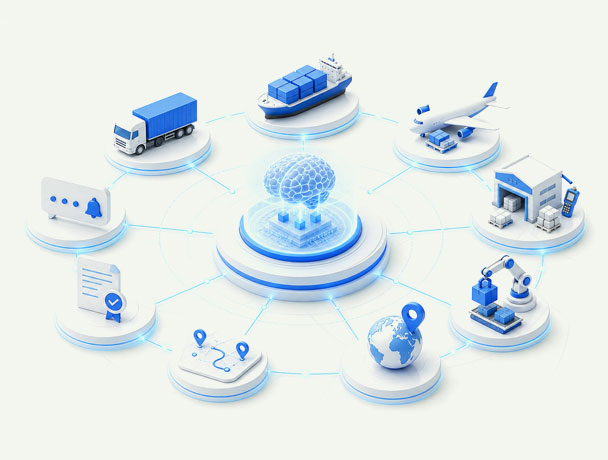
Freight teams work with multiple document formats and information sources. Document Intelligence AI helps extract relevant data from supported freight documents and assists with document verification.
For context on international customs processes, freight teams can also consult the World Customs Organization.
Human review can remain part of the workflow wherever accuracy, compliance or business rules require it.

The Operations AI Agent helps teams work with shipment information and operational updates to improve coordination across the shipment lifecycle.
For maritime shipping information and international shipping resources, refer to the International Maritime Organization.
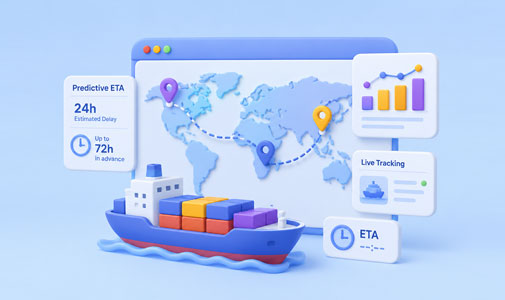
Freight finance teams need accurate shipment costs, supplier invoices, customer billing details and margin information. Finance AI helps process relevant information and supports configured financial workflows.

Freight forwarding automation creates value when information moves between connected workflows instead of being repeatedly entered and checked by different teams.
CargoNet helps organize these workflows within a connected freight management environment.
Collect customer shipment requirements and organize relevant information for the sales team.
Use available rate information, shipment requirements and configured pricing rules to support quotation preparation.
Move confirmed shipment information into the appropriate operational workflow, reducing unnecessary data re-entry.
Extract relevant information from supported documents and check for missing or inconsistent fields.
Coordinate shipment information, tracking updates and operational follow-ups.
Use shipment and invoice information to support cost verification, billing and configured finance workflows.
A more connected workflow that helps teams reduce repetitive administration, improve information consistency and focus on exceptions that need attention.
Explore the CargoNet software features to understand the freight management capabilities that can support these processes.
CargoNet supports freight forwarding workflows across multiple operational functions, helping teams work with connected shipment information rather than relying exclusively on disconnected tools.
Organize customer enquiries, sales activities and shipment-related communication.
Support document processing, information capture and documentation workflows.
Coordinate shipments and operational activities across the shipment lifecycle.
Manage air freight workflows within the broader freight management environment.
Support road transportation and related operational processes.
Organize shipment-related financial information, invoicing and cost workflows.
Support warehouse and container freight station workflows within the broader logistics operation.
Support access to relevant freight workflows through available mobile capabilities.
The modules and automation features available depend on the selected configuration.
Explore the CargoNet core features for a more detailed overview of supported freight operations.
Automation should do more than introduce another software layer. It should help teams reduce repetitive work, improve information handling and create more consistent processes.
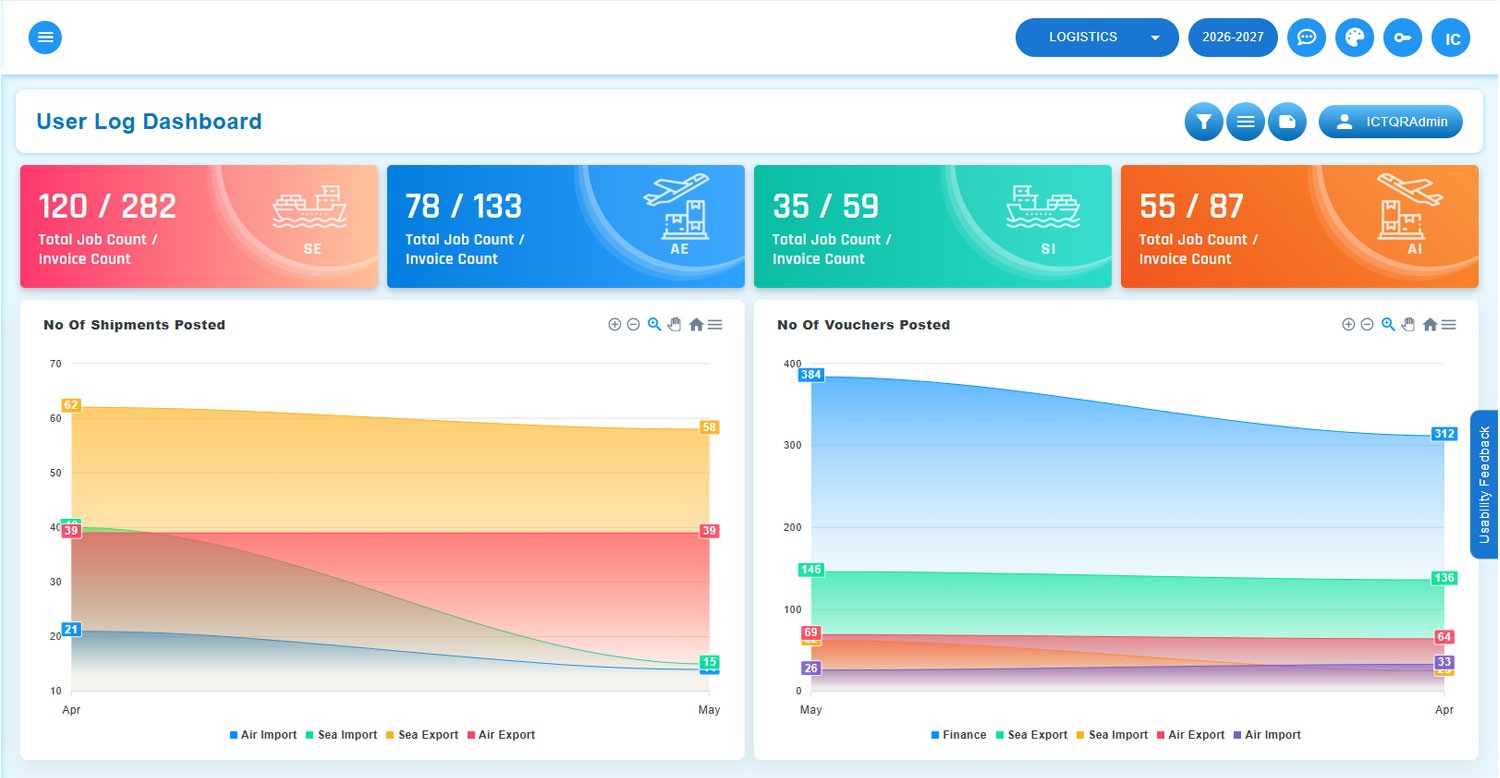
The actual benefits depend on existing processes, shipment volumes, integration availability, configuration and adoption.
Capture and reuse relevant shipment information across supported workflows to reduce manual duplication.
Use OCR and AI-assisted extraction to process supported documents and identify information that needs verification.
Bring shipment-related information into connected workflows to help teams coordinate activities and identify issues requiring attention.
Organize incoming enquiries and shipment requirements so teams can focus on qualification, pricing and customer communication.
Use configured checks and structured invoice information to help teams review shipment costs and financial records.
Establish repeatable processes that can support growing shipment volumes without relying entirely on additional manual administration.
Freight forwarding companies often depend on established ERP, CRM, accounting, communication and tracking systems. Replacing every system is not always practical or necessary.
CargoNet can be evaluated as part of an existing technology environment where the required integrations are supported.
Explore the CargoNet freight operating system and its core software features to understand how the platform supports freight operations.
Identify repetitive workflows and operational bottlenecks.
Map existing data sources, systems and approval requirements.
Identify suitable automation opportunities.
Configure workflows and supported integrations.
Test data accuracy and exception handling.
Expand automation based on operational results.
Depending on the implementation, freight forwarders can evaluate automation for sales, documentation, operations, customer service and finance without assuming that every existing system must be replaced.
Integration availability, data exchange, implementation scope and technical requirements should be confirmed during the discovery process.
For website owners and teams publishing supporting resources, Google’s SEO Starter Guide also explains the importance of clear site structure and useful, accessible content.
CargoNet’s freight automation capabilities are relevant to logistics businesses that handle multiple shipments, documents, operational handoffs and financial processes.
Connect shipment workflows and reduce repetitive administration across sales, operations and finance.
Organize shipment information and support documentation and operational coordination.
Create more consistent workflows as customer enquiries and shipment volumes increase.
Reduce manual information capture and support document checking.
Organize enquiries and shipment requirements to support quotation preparation and lead follow-up.
Improve the handling of shipment-related invoice and cost information.
Improve visibility into workflows, pending activities and potential shipment exceptions.
Businesses evaluating different configurations can review the CargoNet pricing and plans to understand available platform tiers and automation options.
Freight management software provides the operational foundation for managing shipments. Automation helps reduce manual activities across those operations, while AI can assist with processing unstructured information and supporting defined tasks.
CargoNet brings these capabilities together within a freight-focused platform.
This comparison describes general workflow differences, not a claim that every competing freight platform lacks automation.
Explore the CargoNet feature overview and pricing options to evaluate which capabilities fit your operational requirements.
A freight forwarder receives an enquiry containing shipment details, origin, destination, cargo information and service requirements.
CargoNet’s Sales AI capabilities can help extract and organize supported information, allowing the sales team to review requirements and continue with quotation preparation.
A documentation team receives an invoice, packing list and bill of lading.
Document Intelligence AI can extract relevant fields and assist in identifying missing or inconsistent information for review.
An operations team needs to review shipment updates and identify potential delays.
Supported tracking and operational data can help CargoNet’s operations workflows surface information requiring attention. For maritime-related requirements, teams can consult the International Maritime Organization.
A finance team needs to capture supplier invoice details and compare them against relevant shipment or financial information.
Finance AI can assist with information extraction and configured validation checks, with human review where required.
These examples illustrate potential workflows. Actual automation depends on available data, supported integrations and implementation configuration.
Answers to common questions about freight forwarding automation and how CargoNet approaches it.
The CargoNet team can walk you through your own workflows.
Freight forwarding automation software helps logistics companies automate repetitive tasks across enquiries, quotations, bookings, documentation, shipment coordination and invoicing. It reduces reliance on manual data entry and disconnected workflows while helping teams maintain better control over shipment information.
Freight automation connects operational data and uses configured workflows, integrations, OCR and AI-assisted processing to handle repetitive tasks. For example, a system may extract shipment details from an enquiry, process supporting documents, organize tracking information and assist with invoice validation.
Freight forwarding software helps businesses manage shipments, customers, documentation, operations and finance. Freight forwarding automation software focuses on reducing the manual work involved in those processes. A platform can provide both operational management and automation capabilities.
Learn more about the broader CargoNet freight forwarding software platform.
AI can assist with tasks such as extracting shipment requirements, processing documents, organizing information, supporting invoice validation and identifying potential exceptions. The degree of automation depends on the task, available data, configured rules and required human oversight.
CargoNet supports automation opportunities across sales, documentation, operations, tracking and finance. Depending on the selected capabilities and configuration, these workflows can include enquiry processing, document information extraction, shipment monitoring and invoice validation.
See the CargoNet features overview for information about the platform’s freight management capabilities.
CargoNet can be evaluated for use alongside an existing ERP, CRM or other operational systems where the required integrations are supported. Integration scope, data exchange and technical requirements should be confirmed before implementation.
Freight automation is generally intended to reduce repetitive administration and help employees handle information more efficiently. Teams continue to manage customer relationships, commercial decisions, exceptions, approvals and tasks that require professional judgment.
Automation can reduce repeated data entry, standardize information handling, support document checks and improve access to shipment information. The impact depends on the existing process, automation coverage, data quality and implementation.
It can be useful for businesses of different sizes, particularly where repetitive manual processes consume significant time. The appropriate starting point depends on shipment volumes, process complexity, available systems and expected operational benefits.
Evaluate the supported freight workflows, document processing capabilities, integrations, operational visibility, financial controls, implementation requirements and scalability. Request a demonstration using representative workflows from your business before making a decision.
You can contact CargoNet to request a demonstration, review relevant freight workflows and discuss integration and implementation requirements.
Your team should not have to spend its day repeatedly transferring shipment data, checking documents manually and coordinating disconnected processes.
CargoNet helps freight forwarders connect their operations and explore AI-powered automation across sales, documentation, shipment coordination and finance.
See how freight automation could fit your current processes, existing systems and growth plans.
Bring your current workflows. Explore practical automation opportunities with CargoNet.