India–UAE CEPA Doubles Bilateral Trade in Just Three Years

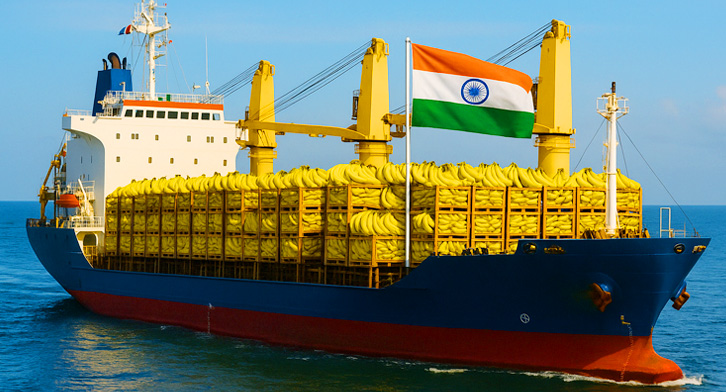
The India–UAE Comprehensive Economic Partnership Agreement (CEPA), signed on February 18, 2022 and enforced from May 1, 2022, has emerged as a strategic game-changer in India’s global trade policy.
In just three years, bilateral trade between the two nations has doubled, reaffirming the CEPA as one of India’s most impactful free trade agreements to date — and a blueprint for future economic partnerships in the Middle East and beyond.

Why It Matters for Trade & Logistics:

Strategic Takeaway:

The CEPA is more than a trade agreement — it’s a catalyst for regional integration, global supply chain diversification, and economic diplomacy. For logistics professionals, it opens up new corridors of opportunity and efficiency, particularly in cross-border freight, port partnerships, and trade facilitation tech.

India’s Palm Oil Imports Surge 87% in May — Biggest Jump in Six Months!

India’s demand for palm oil roared back to life in May 2025, with imports skyrocketing 87% compared to April, hitting 600,000 metric tons — the highest monthly volume since November 2024.
The reason? Lower inventories at home and palm oil’s newly regained price edge over soy and sunflower oils,prompting Indian refiners to ramp up their buying sharply.
This surge could have ripple effects beyond India — possibly boosting Malaysian palm oil prices and supporting U.S. soy oil futures, say market watchers.

Why the Sudden Spike?

“Palm oil’s discount changed everything — buyers have switched back fast,” says Rajesh Patel of GGN Research.

Other Edible Oil Movements

Combined, these lifted India’s total edible oil imports by 37% to 1.18 million tons in May — the highest volume since December 2024.

Key Highlights at a Glance

India & Japan Chart New Course in Maritime Collaboration: Focus on Shipyards, Green Ports & Digitisation

In a landmark step to strengthen maritime ties, India and Japan have opened fresh chapters of cooperation spanning shipbuilding, port digitisation, and green port initiatives. The Union Minister of Ports, Shipping & Waterways, Mr. Sarbananda Sonowal, met with Mr. Terada Yoshimichi, Japan’s Vice Minister for International Affairs (MLITT), during the ongoing Oslo meet, aiming to unlock mutual opportunities in the fast-evolving maritime sector.

What’s on the table?

India has invited top Japanese shipbuilding giants like Imabari Shipbuilding, JMUC, Kanagawa Dockyard, and Mitsubishi Heavy Industries to explore investments and JVs with Indian yards—including potential greenfield projects such as Imabari’s planned presence in Andhra Pradesh.

Plans include joint efforts in port automation, digitisation, and smart logistics platforms, which will boost efficiency and transparency across the Indo-Japanese maritime corridor.
Both nations are exploring co-development of clean energy maritime clusters, including sustainable port infrastructure and disaster-resilient technologies to transform the Andaman & Nicobar and Lakshadweep Islands into Smart Islands.
Japan expressed keen interest in training and employing Indian seafarers, while India emphasised the importance of bilateral cooperation in maritime education and R&D.
The meeting also focused on setting up an MoU framework involving Cochin Shipyard Limited (CSL), Indian universities, and public agencies to develop next-generation ship designs and sustainable marine technologies.

Why it matters:

“Japan’s global expertise in shipbuilding and repair, coupled with India’s fast-growing maritime sector, presents a win-win scenario for both nations. This collaboration will not only drive investments but also make our port infrastructure greener, smarter, and future-ready,” said Mr. Sonowal.

Meanwhile, Mr. Yoshimichi reaffirmed Japan’s interest in expanding its long-standing railway cooperation with India into the maritime space—laying the groundwork for a broader Indo-Japanese economic partnership.

Quick Highlights:

India-UK FTA to Boost Gem & Jewellery Exports from $400 Mn to $1 Bn: GJEPC

India’s gem and jewellery sector is set for a major boost as the India-UK Free Trade Agreement (FTA) nears finalization. The deal aims to scrap 99% of tariffs on Indian goods, unlocking new growth potential in one of India’s key export markets.

According to the Gem and Jewellery Export Promotion Council (GJEPC), exports to the UK are expected to grow from $400 million to $1 billion, with total exports likely to reach $2.5 billion within two years post-FTA.

Why This Matters:

Challenges to Watch:

Quick Snapshot:

Metric

Current

Post-FTA Target

India’s Jewellery Exports to UK

$400 Mn

$1 Bn

Total Gem & Jewellery Exports

$2.5 Bn (2 years)

Industry Takeaway:

A golden opportunity — but only for those prepared to meet the UK’s high standards. Indian exporters must blend creativity with compliance to unlock this market’s full potential.

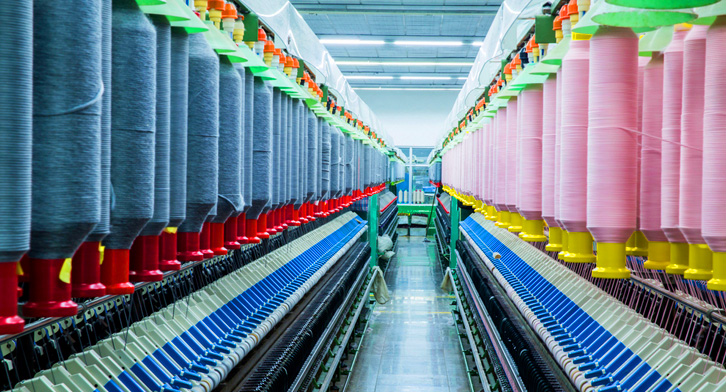
India-UK Free Trade Deal to Slash Textile Export Duties, Unlocking New Growth Opportunities

A landmark shift is on the horizon for Indian textile exporters as the proposed India–UK Free Trade Agreement (FTA) is set to eliminate import duties—currently as high as 12%—on textile shipments to the UK. According to a report by India Ratings and Research (Ind-Ra), this move is expected to unlock major growth opportunities for India’s textile sector, especially in apparel and home furnishings.

Why It Matters:

With zero-duty access to the UK market, Indian exporters will gain a competitive edge over rivals like China and Bangladesh, particularly as these countries continue to face trade barriers, including U.S. tariffs.

Key Takeaways :

What This Means for the Industry:

The FTA could be a game-changer, positioning India not just as a cost-effective supplier but as a reliable, duty-free source for high-quality textiles. It strengthens India’s global trade footprint and supports long-term growth by breaking down critical trade barriers.

Russia Targets Long-Term Coal Partnership with India Amid Massive Reserve Expansion

Russia is positioning itself as a long-term coal supplier to India, backed by an astonishing reserve capacity that could sustain global demand for over 500 years, according to Russian Energy Ministry officials.
Speaking on the future of the coal industry, Deputy Prime Minister and Energy Minister Alexander Novak highlighted that Russia is rapidly developing next-generation, eco-friendly coal mining hubs. These advanced facilities are expected to add 250 million tonnes of production capacity by 2025 alone.
“Russia sees India as a key strategic partner in energy cooperation,” Novak said in the latest issue of Energy Policy magazine. “Our countries can build a strong, reliable energy corridor that benefits both economies.”
In 2024, Russia produced 443.5 million tonnes of coal, with nearly 196.2 million tonnes destined for export, making it one of the top coal exporters to India by volume.
Looking ahead, Novak envisions a coal sector transformed by innovation. “By 2050, the industry will consist of high-tech, environmentally compliant enterprises that meet the demands of a sustainable future,” he noted.
With vast reserves and modern infrastructure investments, Russia’s energy ambitions could play a key role in powering India’s growing energy needs.

South African Citrus Exports to India Triple to 30,000 Tons

South Africa’s seedless citrus fruits—especially oranges and mandarins—are enjoying a surge in popularity in India, with exports tripling over the past five years. Backed by smart logistics strategies and growing consumer demand, the Indo-African fruit trade is entering a juicy new chapter.
South Africa exported 30,000 tons of citrus to India in 2024, up from 10,000 tons in 2019, capitalizing on demand for easy-peel, vitamin-rich fruits during India’s offseason.
However, challenges remain—from steep tariffs to cold treatment regulations. Yet, logistics players are rising to the occasion, creating efficient supply chains and unlocking the potential of the India–South Africa fresh produce corridor.

Key Highlights:

Citrus exports from South Africa to India surged from 10,000 tons in 2019 to 30,000 tons in 2024.
South Africa’s citrus season (June–October) avoids direct competition with India’s (November–March).
Rising middle-class income and a focus on health drive demand for premium, seedless citrus rich in vitamin C.
A 30% import duty and restrictions on in-transit cold treatment inflate costs and risk product quality.
India and South Africa are in talks to harmonize cold treatment protocols, potentially allowing in-transit processes and reducing spoilage.
Providers are investing in:
Cities like Mumbai, Delhi, and Bengaluru are driving the trend toward high-quality imported fruits.
With improved policies and logistics innovations, exports could exceed 50,000 tons in the next few years.

Steel on the Move: India’s April Exports Climb 12% YoY Amid EU Surge

India’s steel exports saw a strong year-on-year rise in April 2025, even as month-on-month figures showed slight softness. Here’s a quick snapshot of the developments:

Key Highlights:

Market Dynamics:

India Eyes Rapeseed Meal Export Revival to China Amid Widening Price Gap

India is positioning itself to reclaim its share in China’s rapeseed meal market, leveraging a significant price advantage over global competitors amid tightening supplies and rising international rates.
TheSolvent Extractors’ Association (SEA) has urged the Ministry of Commerce to engage Chinese authorities in relaxing import restrictions, which currently limit exports to just three Indian facilities approved by China’s customs administration.
With Indian rapeseed meal priced at $202/tonne (Ex-Kandla FAS) versus $308/tonne (Ex-Hamburg) internationally, Indian exporters see a strong opening to re-enter the Chinese market—especially as China faces supply constraints from its main suppliers, Canada and the EU.
However, the Indian oilmeal export sector is also contending with competition from Distillers Dried Grains with Solubles (DDGS), a protein-rich ethanol byproduct increasingly used in animal feed, which may impact traditional demand.
Despite record harvests in soybean and mustard crops boosting domestic meal supply, global price disparity continues to dampen export demand.

Key Takeaways :

India–UK FTA Set to Double Apparel and Textile Trade by 2030

India’s apparel and home textiles exports to the UK are on track to see a major boost, with trade volumes expected to double over the next 5–6 years. This surge is attributed to the recently concluded Free Trade Agreement (FTA) between the two nations, according to a report by credit rating agency ICRA.

Key Highlights :

With zero tariffs and strategic capacity building, the FTA could unlock a new era of textile trade growth between India and the UK.
cargonet-logo-icon
Cargonet Cargo Software Logo

Feedback & Reward program

Submit the Feedback and avail the Rewards.

1. Your satisfaction & reliability on CargoNet ?

2. Your Rating on Support & co-ordination team?

3. Satisfaction on the look and feel of CargoNet ?

4. Please specify any 2 best features that you feel more helpful in CargoNet?

5. Please specify any 2 best reports that you are taking on regular basis?

6. Are you using Copy Job option in CargoNet Software?

7. Are you using Automatic DSR (Daily Status Report) Option? It automatically sends reports to customer about the shipment status

8. Are you using Automatic Outstanding Reports option? Period Auto outstanding reminders to customer

9. Any other thoughts to improve in CargoNet? Please share.

* Join our Reward Program by recommending CargoNet (Cash Rewards Awaiting)

“Thanks for your feedback. Our goal is to create the best possible product, support & service, and your thoughts, ideas & suggestions play a major role in helping us identify opportunities to improve.”

Cut AI cost ,
not performance

discover how top Freight Forwarding companies  reduce AI-related expense and speed up operation with CargoNet AI, we will show it how

Share your information for instant access :

Get a Demo Now