

Several recent policy moves are also contributing to momentum:
- Lower interest rates
- Easing inflation
- Personal income tax concessions effective from April 1
- Robust public sector investment in the latter half of FY25
Trade in a Fragmenting World :
Focus on Domestic Strengths
“The domestic drivers of growth must be our priority. They can buffer the economy against external volatility,” Puri said, adding that further interest rate cuts could further support growth.
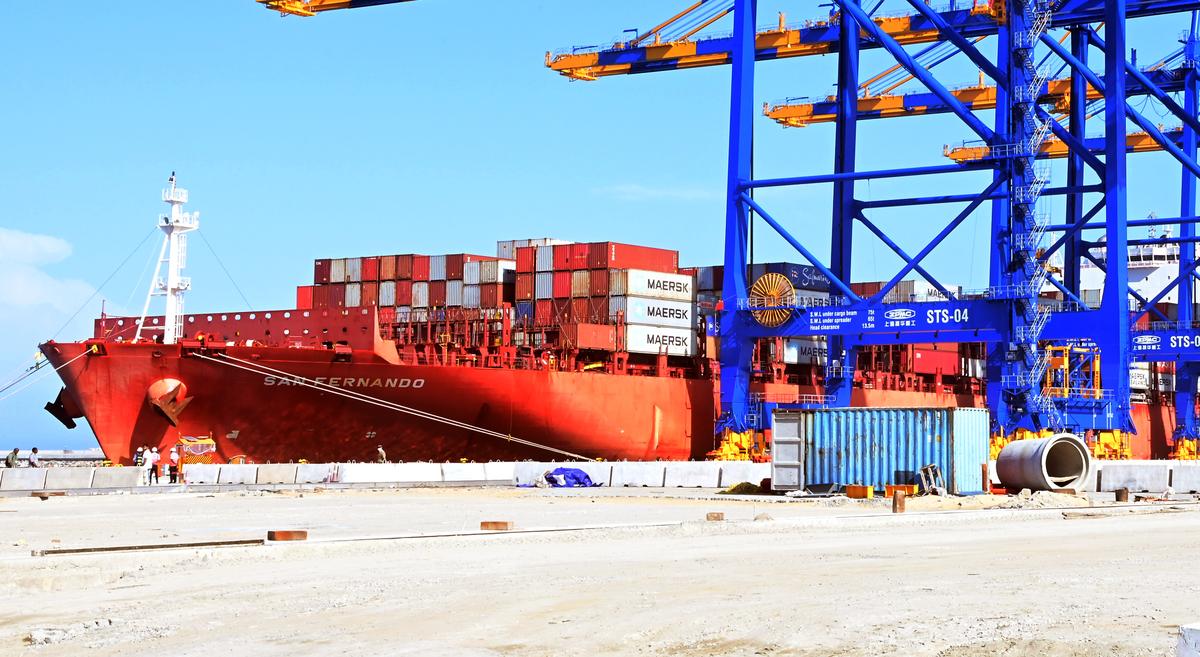
Vizhinjam Port Tops Container Traffic in South and East India
Key Highlights:
- Vizhinjam becomes No. 1 in container traffic among ports in South and East India.
- Automated container handling systems boosted performance from day one.
- Phase one not yet complete, yet the port is outperforming many fully operational peers.
- Handled 1 lakh containers last month, exceeding the designated capacity.
- Monthly traffic is expected to grow as the port ramps up operations.
- Strategic location making Vizhinjam a strong competitor to western giants like Mumbai and Mundra.
South African Citrus Exports to India Triple to 30,000 Tons

Key Highlights:
- Export Growth:
- Peak Season Advantage:
- Consumer Demand:
- Price Challenges:
- Regulatory Developments:
- Logistics Response:
- Temperature-controlled shipping
- Fast customs clearance
- Domestic distribution networks via key ports (Nhava Sheva, Chennai)
- Urban Demand Centers:
- Future Outlook:
Steel on the Move: India’s April Exports Climb 12% YoY Amid EU Surge
Key Highlights:
- Total steel exports (including stainless steel) reached 725.54 thousand tons in April — up 11.7% YoY, but down 2.7% MoM.
- Exports to the EU surged by 33% MoM to over 358 thousand tons, the highest in 13 months, thanks to renewed EU import quotas.
- Shipments to the US and Saudi Arabia fell, as Indian producers redirected supplies to the EU and other regions.
- Flat steel products exports rose slightly to 556.5 thousand tons (+1% MoM), marking the highest since March 2024.
- Semi-finished steel exports climbed by 30% MoM to 78.64 thousand tons.
- Hot-rolled coil (non-stainless) exports dropped by 12% MoM, totaling 130.6 thousand tons.
- Long product exports plunged by 32% MoM to 90.4 thousand tons.
Market Dynamics:
- The EU import quota renewal in Q2 prompted Indian exporters to ramp up shipments to Europe
- US-bound exports face headwinds from steel tariffs, although Q1 shipments saw a temporary spike as buyers front-loaded purchases.
- China remains a dominant player, aggressively pricing its steel in global markets, influencing trade flows.
- India introduced a temporary 12% safeguard duty on select steel imports from April 21, 2025 for 200 days, aimed at protecting domestic manufacturers from import surges.
AM/NS India Wins 30-Year Deal to Operate 10 MT Captive Berth at Paradip Port
Key Highlights:
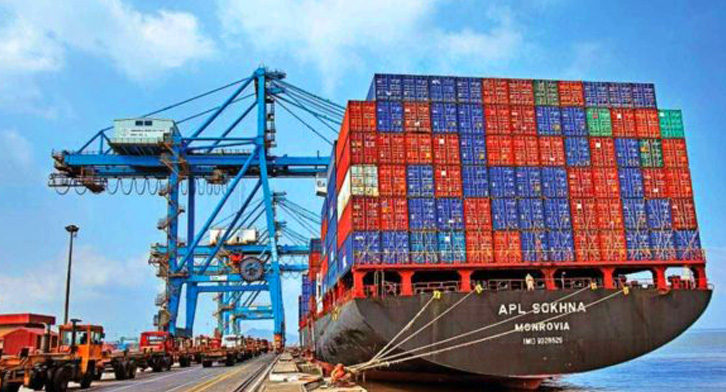
- Concession Win: AM/NS India to mechanise and operate CQ-III berth at Paradip Port for 30 years, dedicated to handling 10 million tonnes (mt) of dry bulk cargo.
- Revenue Sharing: The firm will pay ₹62.20 per metric tonne of cargo handled, winning the berth through a government PPP tender under the captive policy.
- Strategic Asset Use: The berth is vital for feeding the adjacent Paradip pellet plant, which now has a doubled capacity of 12 mt.
- Historical Context: CQ-III was previously operated by Essar Ports. AM/NS acquired it in 2022 as part of a $2.05 billion acquisition from the Essar Group.
- Integrated Logistics: The 2022 deal included:
- A 25 mt captive port and 270 MW power plant at Hazira
- A16 mt terminal at Visakhapatnam Port with conveyor to AM/NS pellet plant
- A deepwater jetty at Paradip with conveyor link
- A 515 MW gas-based power plant and land for expansion
- Strategic Goal: These assets support AM/NS India's integrated steel and logistics operations across India, enhancing connectivity, cost efficiency, and export capability.
- Competitive Bidding: The reserve royalty rate was based on Jindal Steel & Power’s winning ₹54/ton bid for another berth at Paradip. AM/NS bid above this, showcasing its strategic interest in the asset.
India’s Largest Logistics Hub Taking Shape in Dadri — A Game-Changer for North India’s Freight Network

Why It Matters:
Strategic Location
- Situated at the junction of Eastern & Western Dedicated Freight Corridors (EDFC & WDFC)
- Excellent connectivity to NH-34, Eastern Peripheral Expressway, and the upcoming Jewar International Airport
India’s Largest Logistics Hub
- Sprawling across 825 acres
- Designed to handle massive cargo volumes with world-class infrastructure
State-of-the-Art Facilities
- Container handling terminals for efficient cargo movement
- Bonded and general warehousing to support import-export activities
- Cold chain logistics for temperature-sensitive goods
- On-site customs clearance for faster processing
- Value-added services: packaging, de-stuffing/stuffing, processing, etc.
Seamless Multimodal Connectivity
- Direct rail connectivity via New Dadri station on the DFC network
- Internal rail yards to support in-hub cargo transfer
- Wide roadways dedicated truck bays for smooth vehicular flow
Aligned with PM Gati Shakti National Master Plan
- Part of the flagship Gati Shakti initiative
- Aimed at:
- Reducing logistics costs
- Boosting supply chain efficiency
- Accelerating industrial and regional economic growth
S&P Global: India’s Manufacturing Sector Attracting Rising Global Investment
Key Highlights :
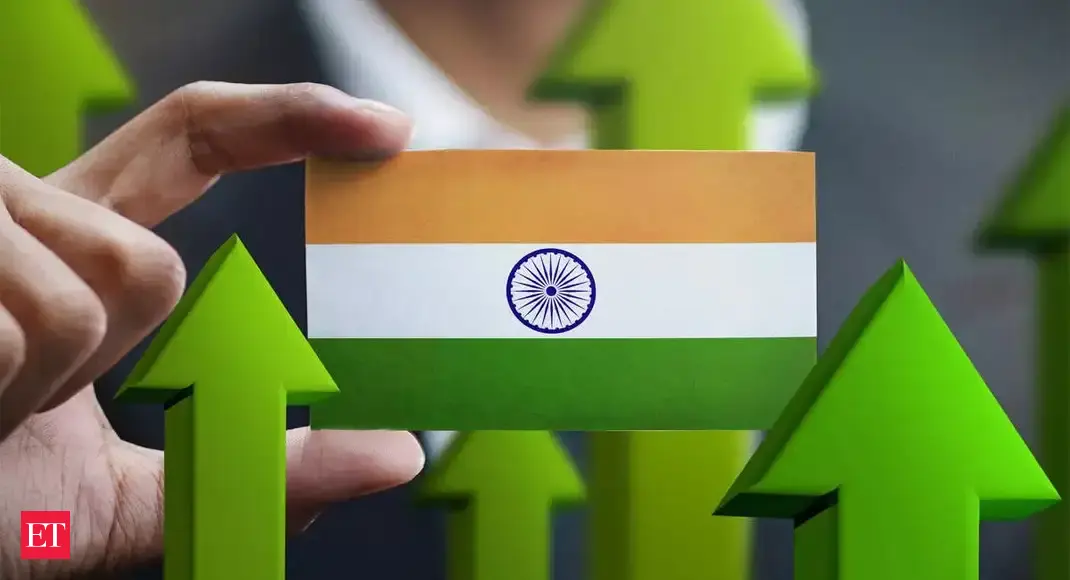
- Strategic Momentum: India is well-positioned to capitalize on global trade realignments and tariff shifts, fueling accelerated growth in manufacturing.
- Supply Chain Advantage:
- Shift towards local sourcing and regional integration is boosting India’s attractiveness.
- India stands to gain fromsupply-chain diversification as companies reduce reliance on traditional manufacturing bases.
- Investor Magnet:
- Global investors are increasingly viewing India as a competitive and resilient manufacturing destination.
- The focus on technology advancement and high-quality job creation is drawing interest.
- Policy Push:
- Targeted government interventions are helping build domestic manufacturing capacity.
- These efforts are aimed at strengthening India's role in global supply chains.
- Economic Resilience:
- Despite a slowdown in FY25 real GDP growth, India remains the world’s fastest-growing large economy.
- Its moderate dependence on external trade offers some insulation from global volatility.
- Current Performance:
- Manufacturing contributes 18.2% to India’s real GDP.
- High-frequency HSBC PMIdata indicates India's manufacturing sector is resilient compared to global peers.
With a blend of policy reform, strategic location, and strong fundamentals, India is steadily becoming a preferred destination for global manufacturing investment. The road ahead looks promising for deeper integration into global value chains.
India Eyes Rapeseed Meal Export Revival to China Amid Widening Price Gap
Key Takeaways :
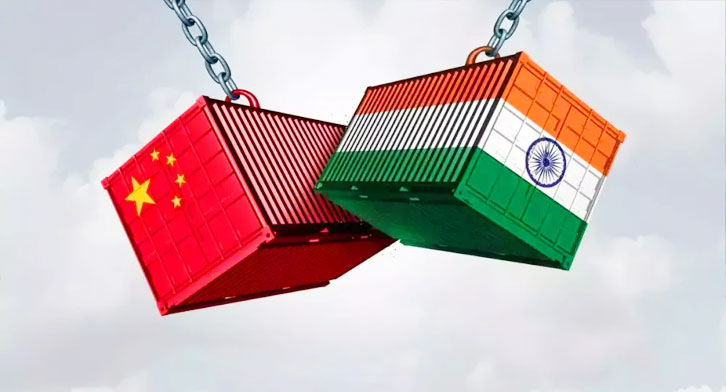
- Price Edge: Indian rapeseed meal at $202/tonne vs international rate of $308/tonne, creating strong export potential.
- Limited Access: Only 3 Indian plants are currently approved by China for rapeseed meal exports.
- SEA's Appeal: Industry body urges government to push for relaxed Chinese import norms.
- Market Opportunity: Supply constraints in Canada and EU open doors for India in China’s animal feed market.
- DDGS Disruption: Rise of ethanol byproduct DDGS is reshaping feed industry demand and competing with traditional oilmeals.
- Production Boost: Record soybean and mustard harvests have increased meal availability in India.
- Export Slowdown: Export demand remains weak due to uncompetitive international pricing.
- April Export Stats:
- Total oilmeal exports: 4,65,863 tonnes (up from 4,65,156 tonnes in April 2024)
- Rapeseed meal exports: 2,13,023 tonnes
- Soybean meal exports: 2,30,743 tonnes
India Gears Up for Global EV Leadership with Bold Vision and Rapid Growth

- 30% EV market penetration
- 80 million EVs on the road
- A booming EV battery market worth ₹2,36,586 crore (US$ 27.70 billion)
Key Highlights: India’s EV Revolution
- Explosive Market Growth:
- Ambitious National Target:
- Battery Market Surge:
- Policy & Infrastructure Push:
- Charging Network Expansion:
- 7C Vision for EV Mobility:
A strategic framework promoting sustainability, convenience, and innovation.
- Industry Leaders in Action:
- Future Projections (S&P Global Mobility):
- Collaborative Ecosystem:
With strong policy support, industry commitment, and an innovation-driven mindset, India is well on its way to becoming a global powerhouse in electric mobility—clean, connected, and future-ready.
India–UK FTA Set to Double Apparel and Textile Trade by 2030
Key Highlights :
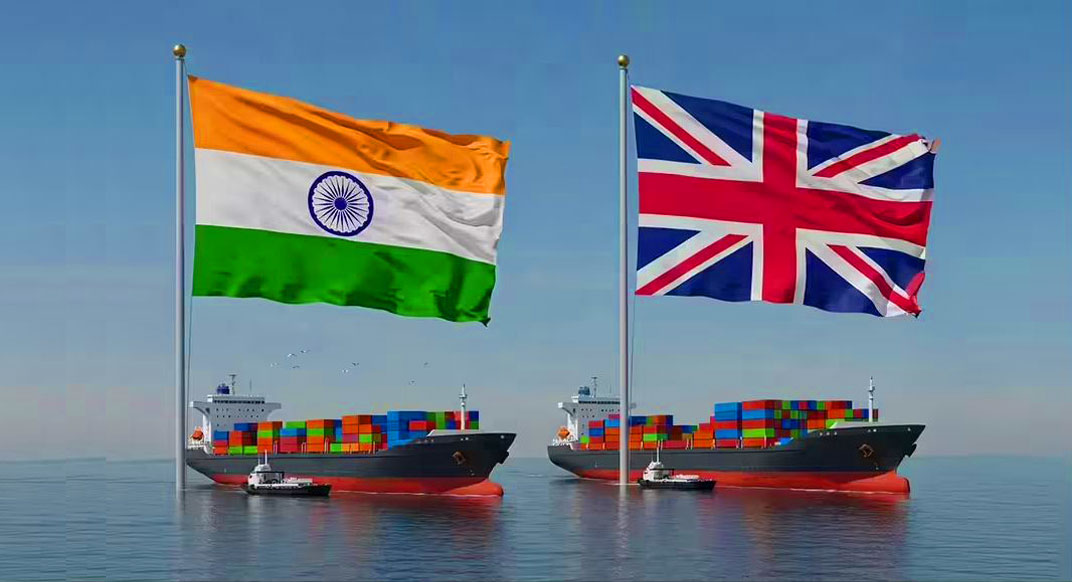
- The India–UK FTA is projected to become operational in calendar year 2026, pending legal review.
- In CY2024, the UK imported $1.4 billion worth of apparel and home textiles from India.
- This accounted for a 6.6% share of the UK’s total textile imports.
- Currently, UK imposes 8–12% duty on apparel and home textiles from India.
- The FTA will eliminate tariffs on 99% of Indian goods, including textiles.
- To meet growing demand, new manufacturing capacities are expected to be added in 4–5 years